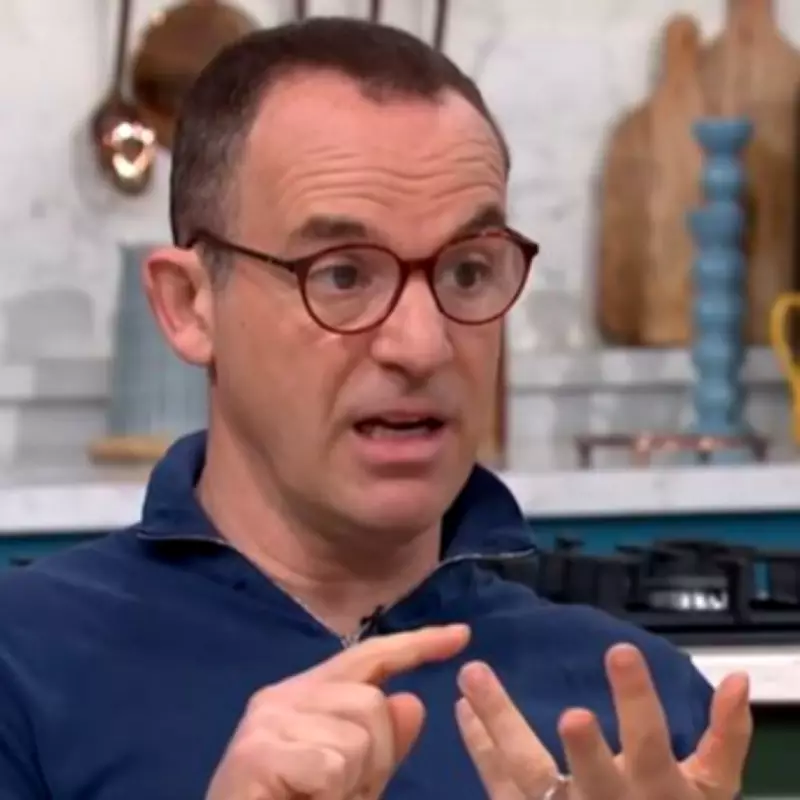
Martin Lewis' MoneySavingExpert (MSE) has shared five tried and tested ways to cut the cost of over-the-counter medicines. Many people are not aware they qualify for free prescriptions, but some can avoid the cost entirely. To help, the MSE team has shared five tips to help families save money on these essential purchases.
Check if you already qualify for free prescriptions
In England, a single prescription item costs £9.90, but a large number of people are entitled to get them completely free. You qualify if you are under 16, over 59, pregnant or have given birth in the last 12 months, on certain low-income benefits, or hold a medical exemption certificate for conditions such as epilepsy or cancer. The criteria covers more people than most assume — for example, anyone receiving Universal Credit with earnings of £435 or less in their most recent assessment period also qualifies, rising to £935 if the claim includes a child element. The free NHS eligibility checker at www.nhsbsa.nhs.uk/check-if-you-need-pay-nhs-charges takes only a moment and could confirm an entitlement that has been going unclaimed.
Get a prescription prepayment certificate
If you pay for more than roughly one prescription a month, a prepayment certificate is almost certainly worth getting. Think of it as a season ticket for your prescriptions. A three-month certificate costs £32.05 and a 12-month certificate costs £114.50, covering everything within that period for a flat fee. MSE estimates around 872,000 patients could save an average of £41 each per year simply by making this switch. A separate HRT certificate is also available for just £19.80 for a full year. If you pay by Direct Debit, the certificate will auto-renew, so if your circumstances change, it is important to cancel both the Direct Debit with your bank and contact the NHS separately at www.nhsbsa.nhs.uk/ppc to avoid being billed for a full term you no longer need.
Switch to generic medicines
Branded medicines and their generic equivalents are often chemically identical, but the price difference can be staggering. MSE's research found savings of up to 91% by going generic. The easiest way to check if two products are the same medicine is to look at the PL number on the packet. If the numbers match, it is the same drug regardless of what the branding says. This applies to dental products too — MSE found that branded Corsodyl mouthwash costs £3 at Poundland, while generic chlorhexidine mouthwash is just £2 at Savers and comes in a larger 500ml bottle, a 60% saving on something many people buy without a second thought. The most affordable places to buy generic medicines consistently include Lidl, Savers, Home Bargains, and Poundstretcher.
Use the NHS minor ailments scheme
Those already entitled to free prescriptions may also be able to get free non-prescription medicines for common conditions including coughs, eczema, and head lice through their local pharmacy at no cost. It is not available in every area, and how it works differs slightly across England, Scotland, Wales, and Northern Ireland, so it is worth having a conversation with your local pharmacist to find out what is available where you are. In parts of England, you can simply turn up at a participating pharmacy as long as you are registered with a GP and eligible for free prescriptions.
Buy over the counter instead of on prescription
For common medicines also sold in shops, bypassing the prescription can sometimes work out notably cheaper. MSE found that a 500ml tube of aqueous cream costs £9.90 on prescription but just £1 at Savers. The same applies to hydrocortisone cream, which costs £9.90 on prescription and as little as £2.49 at Holland and Barrett. The rule of thumb is simple — if a medicine is available both ways, it is always worth checking the shelf price before assuming the prescription route is the better deal. If you have already bought a prepayment certificate, however, the prescription will cost you nothing extra, so factor that in too.
A spokesperson for dental experts Forever Dental and Skin said: "Healthcare costs, whether medicines or dental products, can be very expensive, so knowing these options exist for accessing cheaper medicine is genuinely useful. However, one thing worth adding is that buying affordable should never mean buying carelessly — stick to reputable pharmacies and well-known retailers, because an unverified source offering a bargain price on meds is never worth the risk, especially when your health is on the line."