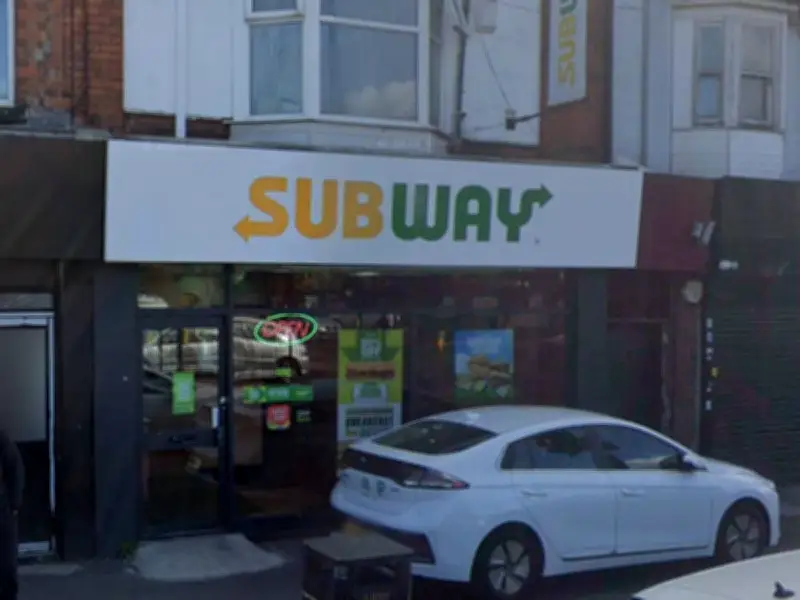
A Subway takeaway on Stratford Road, Sparkbrook, has been forced to shut after environmental health officers uncovered extensive mouse infestation inside the premises. The inspection on July 28 revealed droppings throughout the branch, a live mouse in a bin, and gaps in the door that provided easy access for rodents.
Birmingham Magistrates Court granted a hygiene emergency prohibition order against SLK Foods, the company operating the Subway franchise. The order legally requires the premises to remain closed until all conditions set by the council's environmental health officers have been satisfied. According to the officers, the problems found represented an imminent risk to public health.
The inspection and its findings
Environmental health officer Kiran Bola was responsible for the inspection. She said she could immediately detect the smell of mouse droppings and urine as soon as she opened a drawer underneath the drinks dispenser. This was just the first sign of a much wider problem.
Droppings were found in several areas across the takeaway. These included behind equipment used for food preparation, on shelving units where items were stored, next to electrical sockets, on food boxes, behind chiller units, and in the store room. A live mouse was also observed inside a bin, confirming that the infestation was active. In addition to this, there were noticeable gaps around the door, which would allow rodents to move in and out of the building freely.
"Rodents can contaminate food, surfaces and equipment through their urine, droppings, fur and saliva and lead to salmonella," Bola explained. "There was an imminent risk to public health."
What is a hygiene emergency prohibition order?
A hygiene emergency prohibition order is one of the strongest enforcement tools available to local authorities. It is used when an environmental health officer identifies a serious and immediate danger to the public. The order can be issued by a magistrate at a short hearing, often without the business having the chance to make representations beforehand. Once granted, the business must stop all food operations immediately and cannot resume until the local authority confirms that the risks have been dealt with.
The order against SLK Foods was granted by Birmingham Magistrates Court. SLK Foods operates the Subway branch at 306 Stratford Road in Sparkbrook. The company has indicated that it is not yet ready to complete the schedule of works needed to address the mouse activity and contamination issues. This means the branch will not be reopening in the near future.
Areas where droppings were found
Environmental health officers documented the following locations where mouse droppings were present:
- Behind equipment in food preparation areas
- On shelving units
- Next to electrical sockets
- On food boxes
- Behind chiller units
- In the store room
- Inside a drawer under the drinks dispenser
In addition to the droppings, a live mouse was spotted in a bin. The inspection also found gaps around the door that would give rodents open access to the premises. These details were included in the evidence presented to the court.
Why rodent contamination is dangerous
Rodents are known to carry a range of diseases that can be transferred to humans. Their urine, droppings, fur, and saliva can contaminate food products and contact surfaces. Salmonella is one of the most common illnesses associated with rodent infestation in food businesses. Symptoms of salmonella include diarrhoea, stomach cramps, fever, and vomiting, which can last for several days. While most people recover without treatment, the infection can be particularly serious for young children, older adults, and those with weakened immune systems.
The presence of rodents also indicates poor hygiene practices, as mice are attracted to places where food debris and waste are accessible. Environmental health officers treat any signs of infestation as a high-priority issue because of the potential for widespread contamination. In this case, the decision to close the business shows how serious the situation was.
What the business needs to do to reopen
To lift the hygiene emergency prohibition order, the operator must carry out a full cleaning and pest control programme. This will likely include deep cleaning of the entire premises, removing any rodent droppings and contaminated materials, sealing all gaps and entry points, and putting in place an ongoing pest control contract to prevent future infestations. Once the work has been completed, environmental health officers will carry out a follow-up inspection to verify that the problems have been resolved to their satisfaction.
Until that happens, the Subway branch at 306 Stratford Road must remain closed. The company has told the council that it is not yet ready to undertake the schedule of works, which suggests that the closure could last for a considerable period. No reopening date has been announced.
Legal context and food hygiene ratings
Food businesses in England are required by law to meet specific hygiene standards under the Food Safety and Hygiene (England) Regulations 2013. Local authority environmental health teams carry out regular inspections to ensure compliance. At the end of each inspection, a hygiene rating is issued, usually on a scale from 0 to 5. A rating of 0 means that urgent improvement is necessary. While it is not clear what rating this Subway branch had previously, the issues found on July 28 were severe enough to warrant an immediate closure order.
The use of a hygiene emergency prohibition order is relatively rare and is generally reserved for cases where there is a direct and immediate threat to public health. The fact that the court granted the order indicates that the evidence presented by the council was strong and that the situation was deemed unacceptable.
Impact on the local community
The closure is likely to inconvenience local residents and workers who regularly use the Subway branch on Stratford Road. Sparkbrook is a busy area with many takeaways, so customers may have to seek alternatives. The news also serves as a reminder to other food businesses about the importance of maintaining proper pest control and hygiene standards.
Environmental health officers in Birmingham have a duty to protect the public, and this action reflects that commitment. The council is likely to continue monitoring the situation until the business has fully addressed the issues.
This is a developing story, and further updates will be provided if the company announces any plans to reopen the branch or if additional enforcement action is taken.