Birmingham's Meningitis B Vaccination Rates Among England's Lowest Amid Deadly Outbreak
Pharmacists are urgently calling for a nationwide vaccine catch-up programme targeting students, as new data reveals Birmingham has one of the lowest vaccination rates for Meningitis B in England. This comes amid a deadly outbreak in Canterbury that has claimed two student lives and hospitalized others, sparking a surge in demand for vaccines across the country.
Outbreak Details and Strain Confirmation
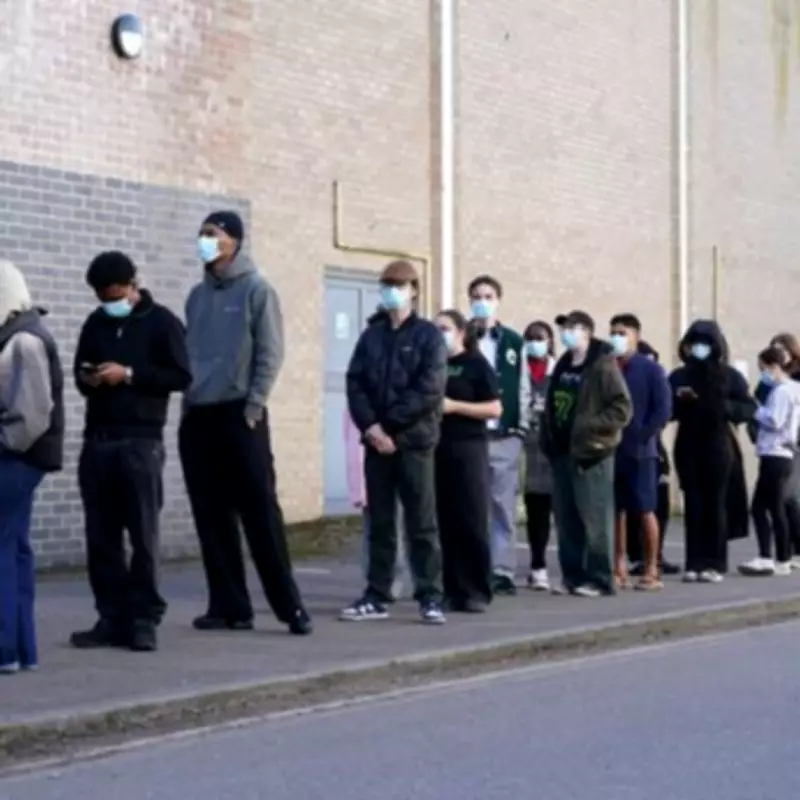
Investigations by the UK Health Security Agency have confirmed that some cases in the Kent outbreak are caused by the Meningitis B strain, also known as MenB. This bacterial strain is rarer than viral meningitis but far more serious, potentially leading to blood poisoning, sepsis, brain damage, or death. A targeted vaccination programme has begun for 5,000 students at the University of Kent, but health professionals are pushing for broader action.
Birmingham's Alarming Vaccination Gap
Analysis of government data shows significant disparities in MenB vaccine coverage across England. The World Health Organization recommends a 95% vaccination rate for infants to ensure community protection. Birmingham falls well below this target, with only 84.8% of infants receiving the jab—meaning around one in seven children in the city are unprotected. Excluding London, which has the lowest rates, Birmingham ranks as the fourth-lowest in England.
Historical Vaccination Gaps and Current Risks
The UK introduced a routine MenB vaccination programme for infants in 2015, making it the first country worldwide to do so. However, individuals born before July 1, 2015, are not offered the vaccine free on the NHS unless they have specific medical risks. This includes many university students and young adults, who may have received the MenACWY vaccine for teenagers but remain vulnerable to MenB. The Independent Pharmacies Association warns that supplies of private MenB vaccines are running low in pharmacies, especially in Kent and southern England.
Calls for Immediate Action
Dr. Leyla Hannbeck, CEO of the Independent Pharmacies Association, stated: "The strain has been confirmed as Meningitis B, meaning those born before 2015, including teenagers and young adults, are unvaccinated. We urge the NHS to urgently commission pharmacies for a nationwide catch-up programme targeting university students and teenagers. There is no time to waste in protecting young people across the country." The UKHSA is prioritizing antibiotic treatment, which has been administered to around 2,500 contacts in Kent, while considering expanding the vaccination programme based on ongoing risk assessments.
Symptoms and Urgent Health Advice
Meningococcal disease can progress rapidly, with symptoms often mistaken for colds, flu, or hangovers—particularly risky for students who might overlook early signs. Symptoms include fever, headache, rapid breathing, drowsiness, shivering, vomiting, and cold hands and feet. Septicaemia may also cause a rash that doesn't fade when pressed. Health authorities advise seeking immediate medical help via a GP, NHS 111, or 999 in emergencies, as early treatment can be lifesaving.
While the UKHSA is coordinating a national response, no formal NHS incident has been declared, and services continue operating normally. The outbreak underscores the critical need for improved vaccination coverage and public awareness to prevent future tragedies.