Andy Burnham's government has clarified that pensioners reliant solely on the state pension will not be subject to income tax, a move that safeguards 12 million retirees. The confirmation comes amid concerns that the frozen personal allowance—stuck at £12,570—combined with the rising state pension due to the triple lock, could have pushed low-income pensioners into tax liability.
Background on Personal Allowance and Triple Lock
The personal allowance, the threshold at which income tax kicks in, has remained unchanged at £12,570 for several years. Meanwhile, the state pension has increased annually under the triple lock rule, which guarantees it rises by the highest of inflation, average earnings growth, or 2.5%. This has gradually brought more pensioners close to or above the allowance, leading to fears that even those with no other income would soon face tax bills.
In recent years, hundreds of thousands of over-65s have already started paying tax as their pension income crossed the threshold. The new rule ensures that the poorest pensioners—those whose only income is the state pension—will not be affected.
Official Confirmation and Political Context
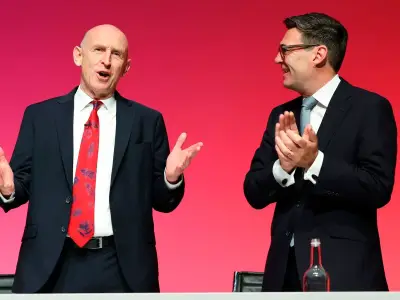
Labour's clarification follows earlier comments by Burnham suggesting he might raise the personal allowance later this year, though he later backtracked. The party has now firmly stated that no pensioner living solely on the state pension will pay income tax. Labour MP Marie Tidball welcomed the announcement, calling it “good news for pensioners across our country.” She added: “The Government has confirmed that if the state pension is your only source of income, you will not pay income tax. Along with the triple lock, that means 12 million pensioners will see their income rise by up to £470 this year.”
Reactions from Financial Experts
Lily Megson-Harvey, policy director at My Pension Expert, noted the reassurance this provides. “The Government's commitment that people relying solely on the state pension will not pay income tax will provide welcome reassurance for retirees. For many, the state pension provides the foundation of their retirement finances, so knowing they will not unexpectedly be drawn into paying tax should help people plan with greater confidence,” she said. However, she warned that those with workplace pensions or modest private savings still need clarity on how future tax changes could affect their wider retirement income.
Impact on Pensioners and Future Considerations
The decision effectively prevents an estimated 12 million pensioners from being dragged into tax, preserving their full state pension income. The average state pension in 2026/27 is projected to be around £12,000, still below the personal allowance, but with triple lock increases, it could exceed £12,570 in coming years. By exempting those entirely dependent on the state pension, the government avoids a politically sensitive tax hike on older voters. However, the freeze on personal allowance remains in place, meaning pensioners with additional income—from private pensions, savings, or part-time work—may still face tax if their total income exceeds the threshold.