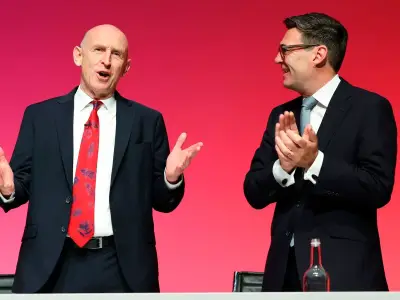
Andy Burnham's proposal to cut VAT on home electricity bills could worsen the “driveway divide” across Britain, as electric vehicle owners without a home charger miss out on around £200 in annual savings, according to new analysis by consultancy New AutoMotive.
Drivers who rely entirely on public charging facilities must pay the full 20 per cent VAT rate, amounting to approximately £216 of tax per year, the analysis found. This contrasts sharply with the reduced rate applied to domestic electricity used for home charging.
Cost gap between home and public charging
The average off-peak home-charging rate is about 9p per kilowatt hour, compared to 54p per kilowatt hour at the cheapest type of public chargers, according to data provider ZapMap. This price disparity is further compounded by the VAT difference, making public charging significantly more expensive for those without off-street parking.
Ben Nelmes of New AutoMotive said: “The Government has handed EV drivers with a driveway a tax cut on power they were already paying least for.” He added: “Meanwhile, the driver charging on a public charger down the road, because they’ve got nowhere else to plug in, is still handing 20pc to the taxman on every single mile. That’s a design flaw, and it leaves us with a VAT system that asks most of those who can least afford to contribute.”
Industry and consumer voices back reform
The call for change has been supported by John Lewis, chief executive of charging provider Char.gy, who said: “Public charging isn’t a lifestyle choice for millions of drivers, it’s the only option they’ve got. Taxing that at four times the rate of home charging punishes exactly the people the switch to electric is supposed to work for.”
Tom Jervis, consumer writer at Auto Express, also highlighted the barrier created by the current system. He said: “The fact you have to pay 20% VAT when you charge your car on a public charger creates a barrier for those on lower incomes wanting to transition to an EV, as they are the least likely to have access to a home charge point.”
Jervis added: “We want VAT scrapped on public chargers too, plus a review of the Public Charge Point Regulations so they better reflect the real issues drivers face every day, from pricing transparency and reliability to clear accountability when things go wrong.”
Impact on EV adoption and fairness
The analysis underscores a growing concern that the VAT system penalises lower-income households who are more likely to depend on public charging infrastructure. With the average annual VAT burden at £216 for public charger users, the gap between home and public charging costs remains a significant obstacle to equitable EV adoption.
The proposals from New AutoMotive and industry figures come as Burnham's VAT reduction plan is under scrutiny, with critics arguing that the policy benefits those with driveways while leaving others at a financial disadvantage. The outcome of this debate could shape future VAT policy on EV charging and the broader transition to electric vehicles.