Households across the UK face a £66 increase in the energy price cap from October 1, according to new projections from Cornwall Insight. The annual cap for a typical household is expected to rise to £1,729, up from the current £1,663, under Ofgem's new definition of typical consumption introduced in July 2026.
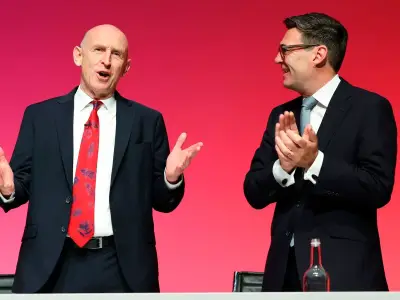
The rise comes despite Prime Minister Andy Burnham confirming that VAT on electricity would be cut from October 1. The Labour government's move is intended to ease the burden on consumers, but the cap increase will still push bills higher for many.
Gas unit rates to rise 26% year on year
Cornwall Insight's projections show gas unit rates are set to rise from 6.29p per kWh last winter to around 7.9p from October 1. This represents an increase of approximately 26% year on year and marks the highest level since early 2023.
Ofgem is lowering its estimate of how much energy a typical household uses, but on a like-for-like basis (using the same assumed consumption as last year), bills are likely to be higher than last winter and hundreds of pounds above pre-crisis levels.
Charities warn of dangerous behaviours
Simon Francis, coordinator of the End Fuel Poverty Coalition, expressed deep concern over the predictions. "The reliable indicators of what is actually happening to household energy prices are the unit rates and standing charges and these latest predictions will be deeply worrying to households up and down the country," he said.
Francis noted that while some reduction in energy consumption may be due to better efficiency, many households are cutting back simply because they cannot afford to use as much energy. "That means that some are demonstrating dangerous behaviours such as cutting back on washing and for one in ten members of the public, skipping hot meals to save on energy," he added.
He also highlighted that many people have borrowed money to pay for energy, all against a backdrop of energy firms posting in excess of £6 billion profits on their UK operations in 2026 alone.
Experts question Ofgem's typical consumption figure
Frazer Scott, Chief Executive of Energy Action Scotland, said: "It has always been hard to compare Ofgem's 'average' household consumption levels with what a household actually needs to stay safe at recommended levels of thermal comfort."
Scott added: "But if that typical figure has never matched safe consumption in the first place, then watching it fall tells its own story. It is not necessarily a sign that homes are becoming more efficient, it is a warning that people are being forced to use less than they safely should."
Jonathan Bean, spokesperson for Fuel Poverty Action, commented: "Cutting the assumed consumption doesn't make homes any warmer or bills any more affordable. It simply widens the gulf between the number the public sees and the amount people actually have to find to keep their homes warm in winter and cool in summer."