HMRC has confirmed that individuals can potentially earn up to £18,570 per year without paying tax on their savings interest, thanks to a combination of tax-free allowances. This comes after Prime Minister Andy Burnham all but ruled out an increase to the personal tax allowance in the near term, leaving many taxpayers seeking ways to maximise their tax efficiency.
How the £18,570 tax-free threshold works
The figure is reached by combining three separate allowances: the standard personal allowance of £12,570, the starting rate for savings of up to £5,000, and the personal savings allowance of up to £1,000. For those on lower incomes, this means all interest earned on savings could be entirely tax-free, according to HMRC guidance.
The personal allowance is the amount you can earn from any source—whether employment, pensions, or savings interest—before paying income tax. For the 2026/27 tax year, this stands at £12,570 for most people, though it can vary depending on individual circumstances.
Prime Minister's decision on personal allowance
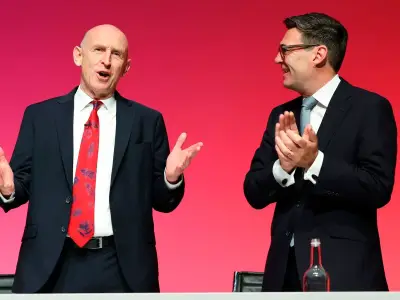
Despite speculation that Burnham might increase the personal tax allowance in response to fiscal drag, the Prime Minister has indicated that no change is forthcoming in the immediate future. He has, however, stated that the matter will be reviewed in the autumn Budget. This has left many taxpayers facing higher tax bills as thresholds remain frozen.
According to recent reports, growing numbers of people are being pulled into paying income tax or into higher tax bands because of the long-term freeze on thresholds. The decision to delay any change has prompted financial experts to highlight the importance of utilising all available allowances.
Breaking down the savings allowances
The starting rate for savings is a key component. If your income from work or pensions is below the personal allowance of £12,570, you are entitled to the full £5,000 starting rate. This means you can earn up to £5,000 in savings interest without paying any tax on it.
However, if your non-savings income exceeds the personal allowance, the starting rate is reduced by £1 for every £1 earned above £12,570. Once your income reaches £17,570 or more, you lose the starting rate for savings entirely.
Personal savings allowance adds another £1,000
On top of the starting rate, the personal savings allowance (PSA) provides an additional tax-free buffer. Basic rate taxpayers—those earning between £12,571 and £50,270—can earn £1,000 per year in savings interest without paying tax. This is added to the starting rate, meaning low-income earners can potentially accumulate up to £6,000 in tax-free savings interest.
For example, a person earning £12,000 a year from work could earn £5,000 in savings interest tax-free under the starting rate, plus another £1,000 under the PSA, bringing their total tax-free income to £18,000. Add the personal allowance itself, and the full tax-free amount reaches £18,570.
Martin Lewis explains the tax-free combination
Money-saving expert Martin Lewis, known for his work with BBC and ITV, has explained the mechanism: "So some can have up to £18,570 tax free... That's because you get your personal allowance before you start to pay income tax (£12,570), plus the starting rate for savings (up to £5,000) and the personal savings allowance (£1,000) all in combination."
This guidance is particularly relevant for retirees with private pensions, part-time workers, and others with modest incomes who may be unaware of these allowances. By structuring finances effectively, they can significantly reduce their tax liability on savings.
Impact on taxpayers
The confirmation comes at a time when many households are feeling the pinch of rising living costs. The ability to earn tax-free interest on savings is a valuable tool for those on lower incomes, allowing them to keep more of their hard-earned money.
However, experts warn that the rules are complex and depend on individual circumstances. For instance, those earning above £50,270 face a reduced PSA of £500, while additional rate taxpayers receive no PSA at all. It is advisable to consult official HMRC guidance or a financial adviser to determine your exact position.
Looking ahead
With the autumn Budget on the horizon, there is still potential for changes to tax thresholds. Prime Minister Burnham has acknowledged the issue but has not committed to any specific action. Until then, taxpayers are encouraged to make the most of existing allowances.
For now, the £18,570 figure represents the maximum tax-free income possible for eligible individuals, offering a silver lining amid the ongoing freeze on personal allowances. By understanding and applying these rules, savers can ensure they are not paying more tax than necessary.