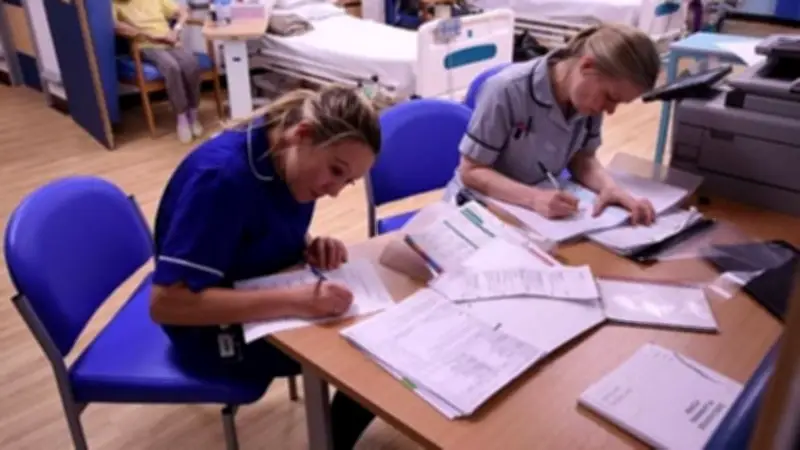
NHS doctors, nurses, and healthcare workers lose an estimated 430 million hours each year to administrative tasks and troublesome IT systems, according to new research commissioned by NHS Shared Business Services (NHS SBS). This figure equates to 220,000 full-time roles across the health service, highlighting the scale of the burden that takes time away from direct patient care.
Emotional and physical toll on staff
The report reveals that the administrative burden is not just a matter of wasted hours. Nine in 10 healthcare staff say that daily operational delays actively harm their well-being and impair their ability to do their jobs effectively. Many experience heightened stress and burnout, often staying late beyond their contracted shifts to clear administrative backlogs.
This lost time directly erodes the hours healthcare workers can spend face-to-face with patients. When administrative tasks stall key operational decisions, the entire flow of care slows down, leaving staff feeling frustrated and demoralised by systems that seem designed to hinder rather than help them.
Staff call for practical solutions
Healthcare staff have highlighted clear, practical solutions to resolve the challenges they face. The improvements they want to see include:
- Unified systems: Standardised processes and joined-up software that communicate across different NHS teams.
- Reliable digital tools: Basic, dependable technology that doesn't break down mid-shift.
- Targeted automation: Automated routines for repetitive, routine tasks to eliminate manual data entry.
When asked how they would spend time saved from routine admin, staff overwhelmingly say they want to reinvest those hours directly into frontline care, clearing treatment backlogs and elevating standards for their patients.
Expert and leadership perspectives
Richard Stubbs, expert advisor to the Health Foundation Productivity Commission, said: "These findings put numbers to something NHS staff have known for a long time - too much of their week is spent working around systems rather than delivering care. If the NHS is to make reform and digital investment stick, we need to see operational infrastructure as part of the transformation itself."
Highlighting the need for workforce-focused change, Erika Bannerman, from NHS SBS, said: "NHS staff are navigating significant change while continuing to deliver for patients every day. This research highlights the opportunity to reduce administrative burden and provide people with better tools, simpler processes and more joined-up systems. By freeing up valuable time, we can support not only better patient care and service improvement, but also greater investment in training, skills and workforce development."
The findings are detailed in the report Futureproofing the NHS: The case for transforming corporate services for innovation and productivity, which demonstrates how modernising back-office structures — such as payroll, finance, and procurement — directly supports clinical teams on the ward.