Malcolm Ball, a 73-year-old convicted child sex offender, died at HMP Stafford after refusing food and fluids for weeks, telling staff he wanted to be left alone to die in peace. The Prisons and Probation Ombudsman (PPO) has published a report into his death, acknowledging that prison staff did everything they could for him in challenging circumstances.
Background and health
A PPO report, published in July, said: "Ball chose to stop eating a little over a month before his death." The clinical reviewer concluded that the care Ball received at HMP Stafford was of the standard reasonably expected and therefore equivalent to what he would have received in the wider community. She noted that the care was compassionate and that his wishes were well documented, widely known, and respected. According to a GP who treated him, Ball "had got to the end of his tether", choosing "to die by food and fluid refusal".
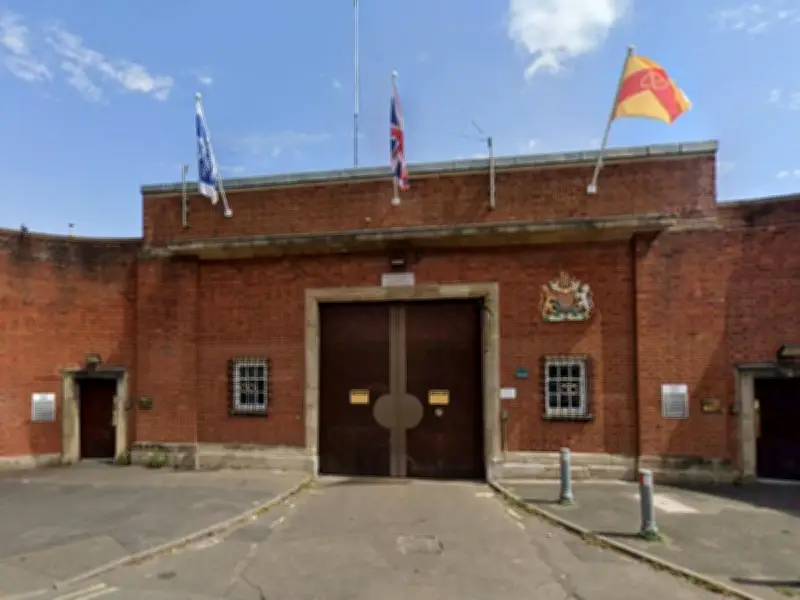
Ball was jailed for seven years and six months in August 2017 for child sex offences. He was released in May 2021 but recalled to HMP Hewell, near Redditch, the following month. In October 2021, he was transferred to HMP Stafford, a category C jail for prisoners convicted of sexual offences, holding about 750 inmates, and remained there until his death. He had multiple physical health problems, including ischaemic heart disease, a history of alcohol dependency, osteoarthritis, a hernia, hypertension and pre-diabetes. He had no recorded history of mental ill health diagnoses. On December 21, 2022, a GP documented that Ball had Barrett’s Oesophagus, along with a hernia and possible coeliac disease.
Final weeks
The final weeks of his life were marked by a decline in both his physical and mental state. On December 26, 2022, Ball cut his arms and hands with a razor blade at 10.05pm, prompting staff to begin monitoring him under suicide and self-harm procedures. He told a nurse he had self-harmed due to "constant noise" on the wing, and was moved to a "safer" cell and referred to mental health and substance misuse services. The next day, Ball was described as "acting out of character" but said he had no current thoughts of self-harm. He told staff he was embarrassed because he had "soiled himself", that eating was causing him "pain" and that he could "no longer cope". Staff discovered that Ball had not recently collected his prescribed medication, and a "large amount of unused prescription medication" was found in his cell. He also started to refuse food and drink.
The report read: "The change in his presentation was likely triggered by his bowel complaints." Over the next week, Ball refused to take part in a review for prisoners at risk of suicide or self-harm due to his abdominal pain. He seemed "depressed" and told staff he was not eating because he did not want to have diarrhoea and other symptoms. He declined a review of his medication and was not receptive when a GP explained the reasoning behind a gluten-free diet and how it would help manage his symptoms. Ball told a mental health nurse that he was in a lot of abdominal pain and was waiting to die. He said he did not have any mental health problems apart from wanting to die because he was in pain. He insisted he had no thoughts of harming himself and did not want to engage with healthcare staff.
On January 5, Ball was given intravenous (IV) fluids in hospital after complaining of abdomen pain. Staff continued welfare checks, but Ball generally refused to engage. On January 8, a senior mental health nurse explained that his body would shut down if he continued to refuse food and fluids, and that by doing so he was effectively bringing about his death. Ball was "adamant" that he did not want his family to be contacted over his deteriorating health. He eventually agreed to hospital treatment and returned to the prison on January 9, eating two bowls of soup and taking his prescribed medication. He told staff he wanted a "liquid diet" of soup, milk and custard, and started eating small amounts again. But on January 15, a nurse noted that he had not eaten for two days and he seemed "low in mood". The next day, he continued to refuse medication, food and fluids while describing being in "a lot of pain" with his bowels.
Death and inquest
On January 18, Ball refused to go to hospital despite being told he could die if he did not eat and drink. Paramedics deemed him to have mental capacity to make this decision, according to the report. He was transferred to the prison's specialist care unit, an eight-bed ward for rehabilitation and end-of-life care, on January 19, 2023. He remained "adamant" he did not want to eat or drink but declined to say if this was because he wanted to die. The report read: "The senior mental health nurse visited Ball and concluded that a mental health intervention was not needed at the time as Ball’s needs related to his physical health." A GP reiterated that he would only have a matter of days to live if he continued to not have fluids, and Ball fully understood this.
In the week before his death, Ball drank little water, did not eat, declined medical checks and refused to go to hospital. Paramedics advised that his body was "shutting down", leading to his death. They, along with a GP and the prison’s mental health team, assessed him as having the mental capacity to refuse admission to hospital and that he understood he was dying. Ball said he did not want to go to hospital, did not want medical treatment, and did not want to be resuscitated in the event of a cardiac arrest. He said he did not have any plans to end his life but knew "that by not eating and drinking he would bring about his death". He told a nurse he had "had enough" and said to a GP he wanted to be "left alone to die in peace", declining pain relief.
On January 30, staff were concerned Ball was about to die and sat with him continually. He declined to go to hospital or have any pain relief and died just before 3.10pm. A post-mortem indicated his cause of death was "dehydration, secondary to ischaemic heart disease and chronic constipation". An inquest into his death, which took place in April 2026, recorded that he died "following food and fluid refusal with an intent to take his life".
Ombudsman findings
The PPO report said Ball was not always clear about why he refused food, fluids and medication. It added: "He initially told staff that he was experiencing physical symptoms related to his digestive condition and that he chose not to eat so as not to exacerbate this. At other times he said that he did not eat because he wished to die (without being clear on the reasons for this). He was often not forthcoming when repeatedly asked about this by staff."
The ombudsman made no recommendations but said it had "brought some matters to the Governor and Head of Healthcare’s attention where policy guidance was not strictly followed, or processes could potentially be improved". These included the fact that staff did not always record on a food refusal log or within his record what Ball had consumed, and a delay in starting a food refusal log once he began refusing to eat. The second opinion of a psychiatrist should have been sought when it was decided that Ball had the mental capacity to refuse food and medical help. Ball should also have had an immediate referral to a dietician, but he was not seen by one before he died. HMP Stafford is a category C jail for prisoners convicted of sexual offences, holding approximately 750 inmates.