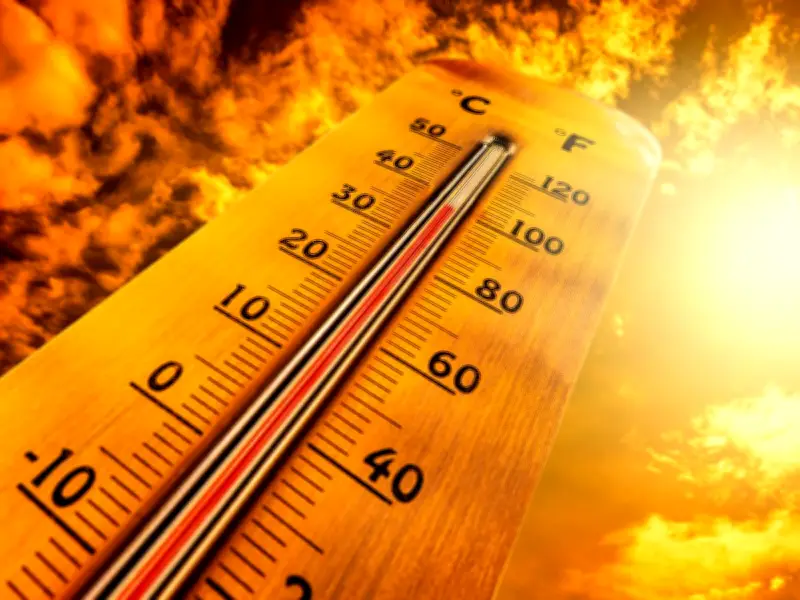
The Met Office, in partnership with the UK Health Security Agency (UKHSA), has issued a red heat alert for Birmingham and the Black Country, with temperatures expected to reach up to 35 degrees Celsius. The alert is in place from today until Thursday, June 25, and health officials are urging residents to take precautions to stay safe and well during the heat wave.
Key Precautions Advised by NHS
In response to the extreme weather, NHS Birmingham, Black Country and Solihull Cluster has issued a list of precautions for the public. People are advised to avoid going out during the hottest part of the day, between 11am and 3pm, and to plan physical activities such as exercise or dog walking for the cooler hours of the morning or evening.
To keep indoor spaces cool, residents should close curtains or blinds on sun-facing windows. When going outside, wearing light, loose-fitting clothing, sunglasses, and a wide-brimmed hat is recommended. Staying in the shade and using sunscreen regularly are also important. Drinking plenty of fluids and avoiding excess alcohol can help prevent dehydration.
Vulnerable Groups at Higher Risk
The red alert indicates that high temperatures could pose a significant risk to health, particularly for older adults, young children, babies, and those with long-term health conditions. Sally Roberts, Chief Nurse for Birmingham, Black Country and Solihull Cluster ICBs, emphasised the importance of looking out for vulnerable individuals.
"It's important that everyone takes simple steps to stay cool and drink enough water during hot weather, especially when temperatures this high remain for several days," Roberts said. "Older people, very young children, and people with health conditions are most at risk, so please check in on family, friends, and neighbours where you can."
Signs of Heat-Related Illness
Roberts also highlighted the main risks in hot weather: dehydration, overheating, heat exhaustion, and heatstroke. Heat can exacerbate existing health problems, particularly heart and breathing conditions. "If you or someone else starts to feel unwell – for example dizzy, very thirsty, weak, or confused – move somewhere cool, drink water, and rest," she advised.
If symptoms do not improve or worsen, residents are urged to seek advice from NHS 111 online or by calling 111. The NHS also advises being aware of the signs of heat exhaustion and heatstroke, which include headache, nausea, rapid pulse, and high body temperature.
Community Support and Additional Advice
The NHS encourages everyone to check in on elderly relatives, neighbours, and anyone who may be more vulnerable during the heat wave. Simple actions like offering a cool drink or ensuring they have access to a fan can make a significant difference.
For those who must go outside, planning activities for cooler times of the day and staying in shaded areas are crucial. Sunscreen should be applied regularly, and hats and sunglasses worn to protect against UV rays. The NHS also warns against leaving children or pets in parked cars, as temperatures can rise rapidly and become life-threatening.