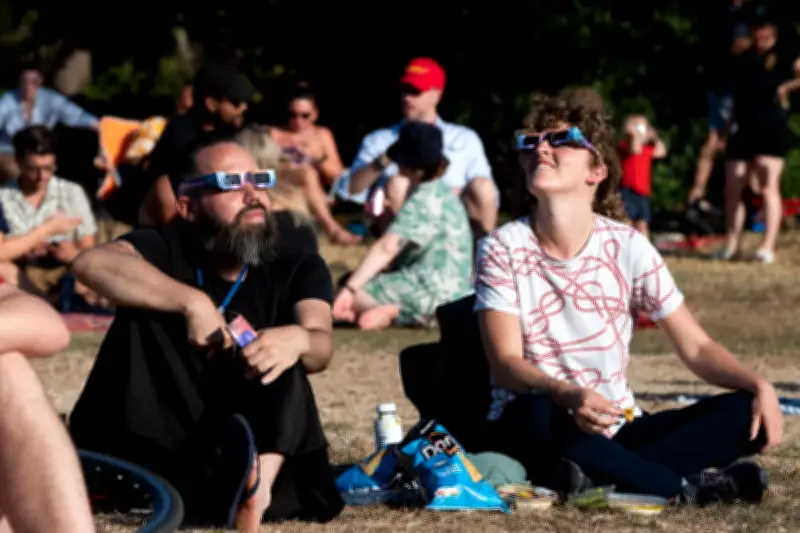
On Monday, April 8, a total solar eclipse will cross North America, and many people may be tempted to look directly at the sun without proper protection. But doing so can cause serious, permanent eye damage, even if you don't feel immediate pain. Experts warn that symptoms of solar retinopathy—damage to the retina from looking at the sun—can take hours or even days to appear.
What Happens When You Look at the Sun
When you look directly at the sun, the intense light and ultraviolet radiation can burn the retina, the light-sensitive tissue at the back of the eye. This condition, known as solar retinopathy, can lead to blurred vision, blind spots, or even permanent vision loss. According to the American Academy of Ophthalmology, there is no safe amount of time to look at the sun without proper eye protection.
The danger is especially high during an eclipse because the reduced light may encourage people to stare longer, and the sun's corona is still bright enough to cause damage. Even if you wear sunglasses, they are not sufficient; you need special eclipse glasses that meet the ISO 12312-2 international standard.
Delayed Symptoms to Watch For
Symptoms of solar retinopathy may not appear immediately. They can develop within a few hours or up to 12 hours after exposure. Common symptoms include:
- Blurred or distorted vision
- A central blind spot in one or both eyes
- Increased sensitivity to light
- Color vision changes (colors may appear washed out)
- Eye pain or a gritty feeling
If you experience any of these symptoms after viewing the eclipse, you should see an eye care professional as soon as possible. There is no known effective treatment for solar retinopathy, but early evaluation can help monitor the condition and rule out other causes.
What to Do If You Looked Directly
If you looked directly at the sun during the eclipse, even briefly, you should not panic. It does not guarantee permanent damage, but it is important to be vigilant. The American Academy of Ophthalmology recommends that you:
- Check your vision: Close one eye at a time and look at a grid pattern or a straight line to detect any distortion or blind spots.
- Monitor for symptoms: Pay attention to any changes in your vision over the next few days.
- See an eye doctor: If you notice any symptoms, make an appointment with an ophthalmologist. They can perform a detailed eye exam, including optical coherence tomography (OCT), to assess the retina.
In the meantime, avoid further sun exposure and wear sunglasses when outdoors. Remember, the next total solar eclipse visible in the UK will occur on September 23, 2090, so it's crucial to protect your eyes now for future events.
For those who missed viewing the eclipse safely, there are many online livestreams and recorded videos that allow you to enjoy the spectacle without risking your eyesight. Always use certified eclipse glasses or indirect viewing methods, such as a pinhole projector, for any future solar events.