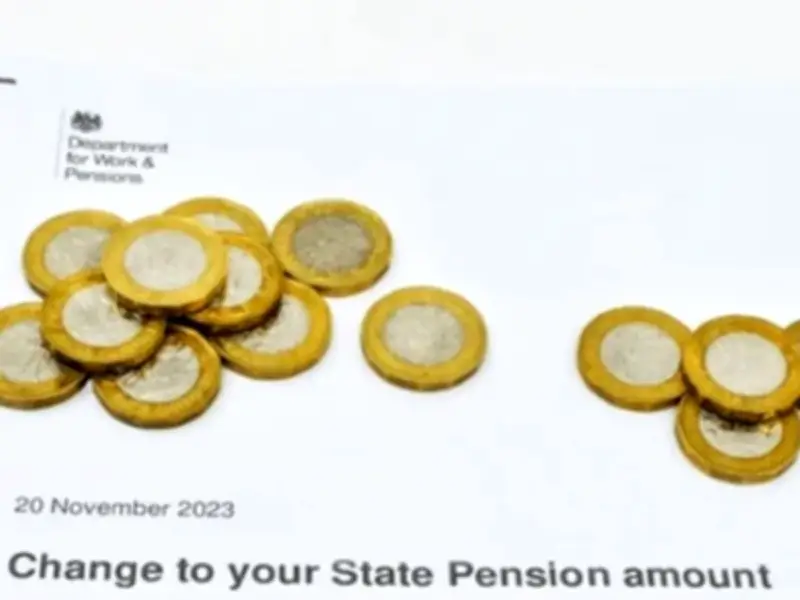
State pensioners are set to receive a £515 annual increase next year, but the boost could have significant tax implications, according to a money-saving expert. The rise, driven by the triple lock, would take the full new State Pension to approximately £13,062 a year, pushing it above the current Personal Allowance of £12,570.
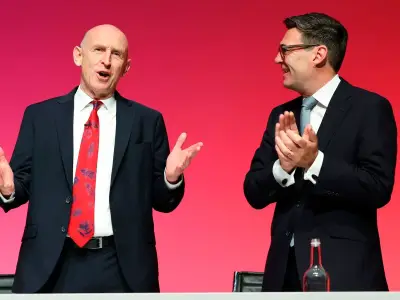
Prime Minister Andy Burnham confirmed the government would maintain the triple lock, and recent wage growth figures suggest a 4.1% increase from April 2027. The full new State Pension is currently £241.30 a week, or £12,547.60 a year, and a 4.1% rise would bring it to roughly £251.20 a week, or £13,062.40 a year.
Tax threshold gap narrows to just £22.40
Thomas Drury, money-saving expert at The Investors Centre, warned that many pensioners mistakenly believe the State Pension is tax-free. In reality, it is taxable income, and the gap between the full State Pension and the Personal Allowance is now only £22.40 a year.
“One of the biggest misconceptions around the State Pension is that it is automatically tax-free,” Drury told Birmingham Live. “It is taxable income. At the moment, someone receiving only the full new State Pension can sit just below the standard Personal Allowance, so in practice there may be no Income Tax to pay. But the gap is now only £22.40 over an entire year. Any meaningful State Pension increase next April takes the headline full rate above that threshold if the Personal Allowance stays where it is.”
If the pension rose by 4.1% to approximately £13,062 a year, it would be roughly £492 above the current allowance, he added.
Combined income triggers HMRC adjustments
Drury emphasised that pensioners with multiple income sources, such as a workplace pension, savings interest, or rental income, must consider their total taxable income. HMRC assesses overall income, not each payment in isolation.
“Someone with a State Pension and a workplace pension cannot look at each payment separately,” he said. “Imagine the full new State Pension rises to around £13,062 and somebody also receives £5,000 a year from an old workplace pension. Their total pension income would be around £18,062 before considering any other taxable income.”
Similarly, savings interest, rental income, or part-time earnings could add to the tax bill. Drury noted that the State Pension may arrive in full even when it contributes to a tax liability, and HMRC can adjust the tax code on private pensions to collect the tax due, making it appear that the private pension is taxed more heavily.
Pensioners urged to review finances now
The final State Pension rate has not yet been confirmed, so Drury advises against making hasty financial changes. Instead, pensioners should review their total retirement income and ensure their tax code and HMRC records are accurate.
“For many pensioners, an extra £500 will still leave them better off overall,” he said. “The warning is simply that a higher State Pension does not exist in isolation from the tax system. With the full rate already just £22.40 below the Personal Allowance, next April could mark an important change in the relationship between the State Pension and Income Tax, and anyone with additional retirement income should be prepared for it.”