Birmingham takeaway fined £8,000 over mouse droppings
Takeaway fined £8,000 over mouse droppings
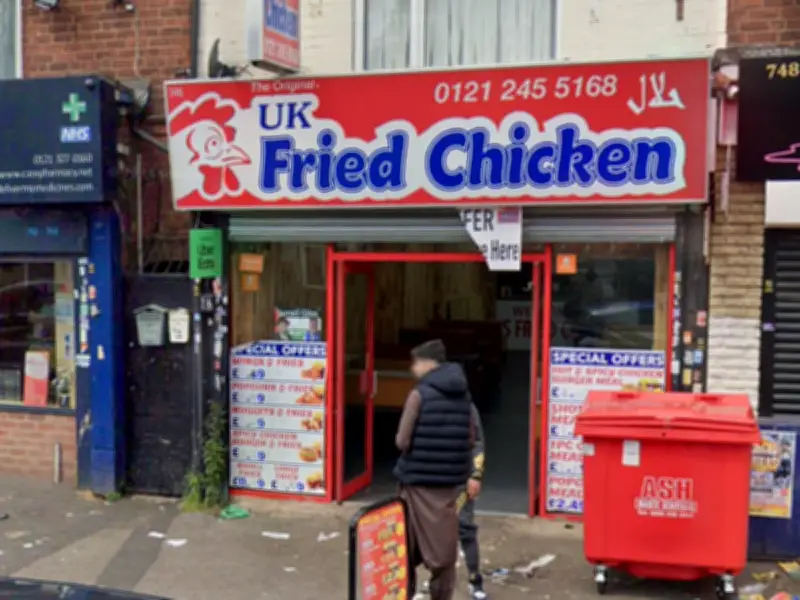
The Original UK Fried Chicken, a takeaway on Alum Rock Road in Birmingham, has been fined £8,000 after environmental health officers uncovered a mouse infestation during an inspection in June 2025. The company and its director, Alan Ali, each admitted three charges of breaching the Food Safety and Hygiene Regulations 2013 at Birmingham Magistrates Court on July 30.Prosecutor Simon Mortimer, acting for Birmingham City Council, told the court that mouse droppings were discovered in multiple areas of the premises. Officers found them:
  • next to and on food packaging
  • in the servery
  • in the kitchen
  • near refrigeration units
  • next to a fryer
  • on shelving used to store cans of soft drinks

In the pot wash area, cleaning pads had been gnawed and were being used as nesting material by mice, he added. Following the inspection, environmental health officers served a hygiene emergency prohibition notice, forcing the takeaway to close until all issues were corrected.Mice are known to spread diseases such as salmonella and can contaminate food with their droppings, urine and hair. The presence of gnawed cleaning pads and droppings on food packaging indicated an active infestation that posed a serious risk to public health. Under the Food Safety and Hygiene Regulations 2013, all food businesses must ensure that premises are maintained in good condition and that pests are effectively controlled.

Prosecution: 'Deliberate culpability'

Mr Mortimer emphasised the seriousness of the findings: "There was deliberate culpability. With this amount of mouse droppings, you cannot miss them. There was a risk of public health." His comments underscored the council's position that the conditions were not a minor oversight but a systemic failure to uphold food safety obligations.Ali did not attend the hearing, but his solicitor, Mahmood Khan, had been authorised to enter guilty pleas on his behalf and for the company. Mr Khan confirmed both the director and the business accepted responsibility for the failures identified by officers.

Defence: Co-operation and extensive improvements

In mitigation, the court was told the company had fully cooperated with the investigation and did not obstruct the work of the council. Since the inspection, the business had spent more than £13,000 on repairs, including improved pest control, enhanced cleaning procedures, additional staff training, and stronger management systems to prevent a recurrence.Mr Khan explained that Mr Ali, aged 40 and single, was currently in Iraq caring for his unwell mother, who requires his ongoing support. At the time of the offences, Ali had been ill himself and had stepped back from daily control, leaving a newly appointed manager in charge of the premises. The solicitor accepted that delegation did not remove Ali's legal responsibility as a director.

'Neglect during a difficult personal period'

"The defence submission is not that Mr Ali was blameless, but that the offending arose from neglect and insufficient oversight during a difficult personal period, rather than deliberate wrongdoing, concealment or profit-driven disregard of food safety obligations," Mr Khan said. He also noted that Ali did not seek to frustrate the investigation and ensured corrective steps were taken.The magistrates fined The Original UK Fried Chicken £8,000, with a £2,000 surcharge and costs of £1,385. Ali was fined £423, with a £169 surcharge and costs of £1,977. The total financial penalties for both parties exceeded £13,000, reflecting the seriousness of the breaches.

Enforcement and public health protection

Birmingham City Council's environmental health team carries out routine inspections of food premises across the city to ensure compliance with food safety laws. When serious breaches are identified, the council has the authority to issue emergency prohibition notices, as in this case, which means the business must close immediately. The team also works with businesses to guide them back into compliance, but where there is evidence of neglect, prosecution follows.Under the Food Safety and Hygiene Regulations 2013, food business operators are required to put in place, implement and maintain a permanent procedure based on Hazard Analysis and Critical Control Points (HACCP) principles. This includes ensuring adequate pest control, regular cleaning, and sufficient staff training to guarantee food safety.This case highlights the importance for food businesses of maintaining rigorous hygiene standards under the Food Safety and Hygiene Regulations 2013. Business owners have a legal duty to ensure premises are clean, free from pests, and safe for food handling, with failure to do so resulting in prosecution, closure, and substantial fines.