Meningitis Outbreak Cases Rise in UK as Health Agency Confirms New Infections
The UK Health Security Agency has confirmed an increase in cases linked to the ongoing meningitis outbreak in the United Kingdom. Health experts report that the number of identified cases has risen, with the outbreak primarily affecting the Kent region.
Latest Figures and Investigation Updates
As of recent updates, the UKHSA is now aware of 34 cases of meningococcal disease, up from the previously reported 29 cases. This outbreak has tragically claimed the lives of two young individuals, highlighting the severity of the situation.
Dr Ben Rush, a consultant in communicable disease control at UKHSA, emphasized the agency's ongoing vigilance. "We continue to remain vigilant for new cases and work closely with NHS England and local authorities across the country to ensure enhanced surveillance is in place," he stated.
Dr Rush added, "Any new cases will be identified quickly and responded to. It’s reassuring to have seen so many eligible young people come forward for antibiotics and vaccination, and we’d like to thank everyone involved in this effort so far."
Public Health Response and Community Efforts
In response to the outbreak, significant public health measures have been implemented. As of Friday evening, March 20, NHS Kent and Medway reported that 5,794 vaccines had been administered, while 11,010 antibiotics had been distributed across Kent.
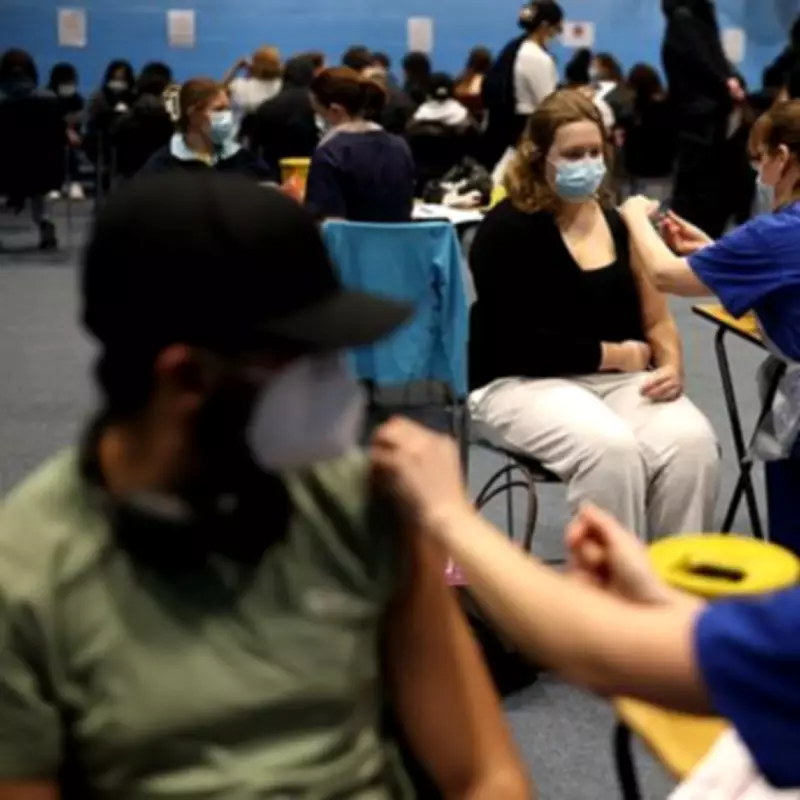
The community has shown strong engagement, with over 400 people, including students and other eligible individuals, lining up outside the University of Kent campus clinic for meningitis vaccinations at the start of the weekend. Currently, six clinics are operational across the county, providing both antibiotics and vaccines to those at risk.
Symptoms and Risk Assessment
Health officials stress the importance of public awareness regarding the signs and symptoms of invasive meningococcal disease. Symptoms can include severe headaches, fever, stiff neck, and a rash, and require immediate medical attention if observed.
"It’s vital that people are aware of the signs and symptoms of invasive meningococcal disease and seek immediate medical attention if they or anyone they know develops symptoms," Dr Rush urged.
Despite the rise in cases, the UKHSA reassures that the risk to the wider population remains low. The agency continues to collaborate with partners to identify contacts of infected individuals and offer necessary treatments to prevent further spread.
Ongoing Surveillance and Future Steps
The UKHSA's investigation into the outbreak is ongoing, with 23 laboratory-confirmed cases and 11 cases still under investigation as of 5pm on Friday, March 20. Enhanced surveillance measures are in place to monitor the situation closely and respond promptly to any new developments.
This proactive approach aims to contain the outbreak and protect public health, with continuous updates expected as more information becomes available.