Birmingham City Council is at risk of a significant financial penalty from the government after confirming it will miss a crucial national deadline for introducing weekly food waste collections.
Strike Action Forces Critical Delay
The council had originally planned to begin a major overhaul of its waste services in April 2025. This transformation included moving to fortnightly collections for general household rubbish while rolling out a new, free weekly food waste service and providing a second recycling bin for paper and cardboard.
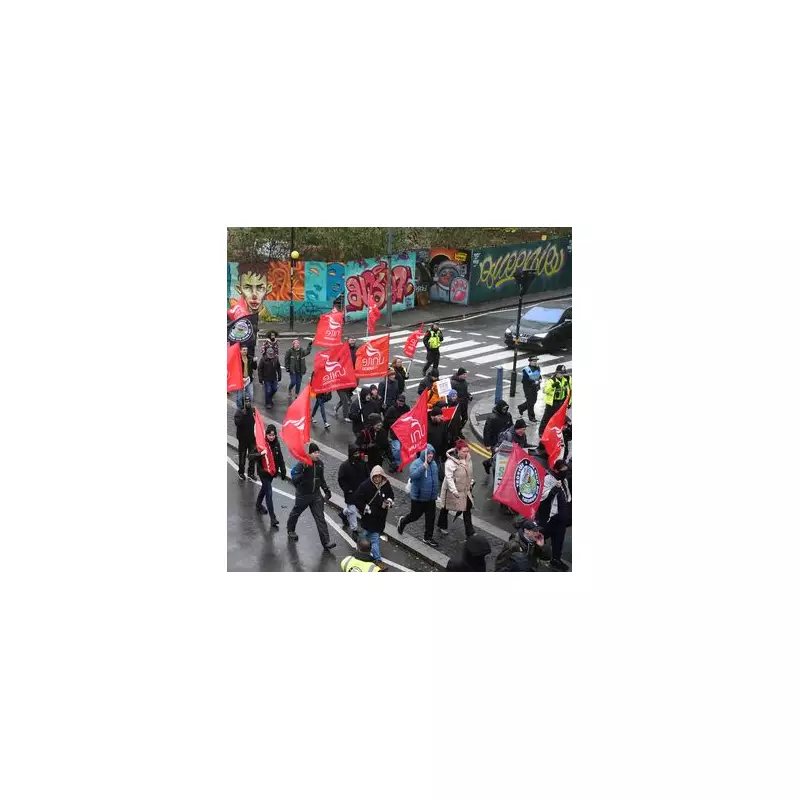
However, these plans were thrown into disarray by the ongoing industrial action by bin workers, represented by Unite the union. The strike, which began over the disputed loss of the Waste Recycling and Collection Officer (WRCO) role and concerns over pay, caused severe disruption to collections and led to piles of rubbish accumulating in streets across the city.
June 2026 Rollout Misses Government Target
Council officials have now stated that the waste service transformation will finally begin its phased introduction in June 2026, regardless of whether the strike is still ongoing. This date creates a direct conflict with a national environmental target.
The government requires all local authorities in England to provide a free weekly food waste collection to all households by March 31, 2026. Birmingham's June start date means it will miss this deadline by at least three months.
In a recently published report, the council admitted it is in discussions with the Department for Environment, Food and Rural Affairs (Defra) to seek an exemption from this deadline. "Whilst it may be possible to obtain an exemption from Defra to delay the introduction of food waste, this has not been provided to date," the report stated.
Financial Risk and Ongoing Negotiations
The council has explicitly warned of a "financial risk" linked to the delay. This includes the potential for the government to impose a "financial penalty" for failing to meet the statutory deadline. The exact amount of any potential fine remains unknown, as the government has not yet clarified the details to local authorities.
Council Leader, John Cotton, argued this week that Birmingham is not alone in facing this challenge, with other councils also struggling to meet the target. He confirmed the authority continues to engage with Defra to "find a way forward."
A council spokesperson added that discussions with Defra are ongoing, "like many other councils," and the aim is to comply with the intention of the legislation despite the industrial relations crisis.
The report concluded that any final decision must be mindful of the industrial relations, customer, and service risks the council is currently navigating, highlighting the complex pressures facing the financially strained authority.