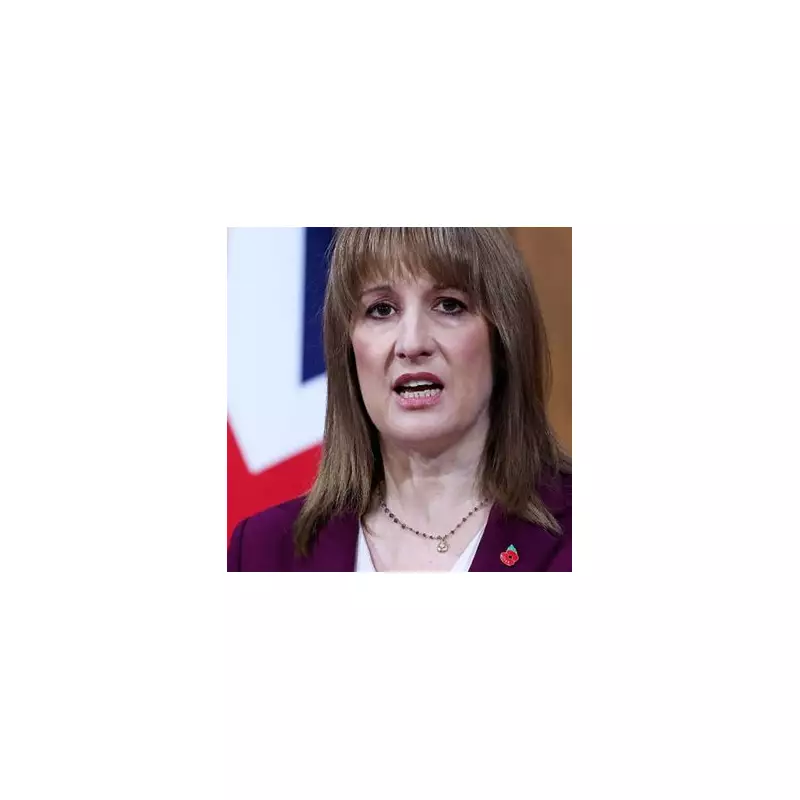
Motorists across the UK are facing the prospect of higher fuel costs as Chancellor Rachel Reeves comes under pressure to end a long-standing tax freeze in the upcoming Autumn Budget.
What is the 15-year rule?
The rate of fuel duty has been frozen since 2011, a policy that has saved the average car driver approximately £60 per year. This freeze, combined with a temporary 5p per litre cut introduced more recently, has cost the government billions in forgone revenue.
However, this relief for drivers' wallets could be about to expire. The Labour government will deliver its Autumn Budget on November 26, and experts are calling for a significant policy shift.
Green Alliance calls for change
Steve Coulter, head of economy at the think tank Green Alliance, has publicly urged the Chancellor to act. He stated: "Faced with a difficult Budget, the Chancellor must raise revenue, but she can also eliminate subsidies for harmful activities and do the right thing for the environment."
He specifically pointed to the "15-year failure to implement inflation-linked rises in fuel duty" as a key area for change. This suggests that not only could the freeze end, but duty could also start to rise with inflation.
Consequences for drivers at the pump
While current price tracking from RAC Fuel Watch shows stable prices, a decision to hike duty would directly impact pump prices. Analysts forecast that removing the freeze would lead to an immediate rise of at least 5p per litre for both petrol and diesel.
This potential price hike could coincide with the launch of a new Government-backed Fuel Finder tool, a scheme designed to help drivers save money by locating cheaper fuel. Forecasts suggest this tool could help offset some of the pain by saving drivers between one and six pence per litre.
The debate over fuel duty is not new. Defending the previous Conservative government's decision to freeze the tax, then Chancellor Jeremy Hunt argued that cutting tax bills while protecting public services was a priority, highlighting savings for both drivers and average earners.