Budget Announcement Threatens Fuel Duty Freeze
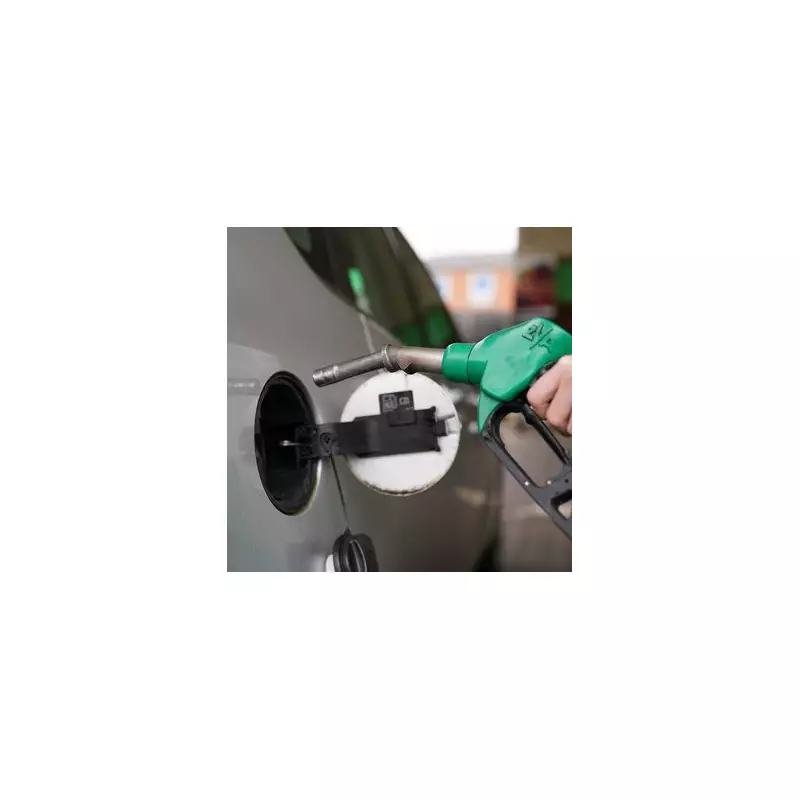
Motorists across the UK are facing a significant increase in fuel costs as Chancellor Rachel Reeves prepares to deliver her second Autumn Budget on November 26. The Labour government is grappling with a £40 billion black hole in the nation's finances, and one of the measures under consideration is the scrapping of the long-standing fuel duty freeze.
Potential Impact on Household Finances
The AA has issued a stark warning, stating that if the freeze ends, petrol prices could surge to an average of 142.2p per litre, with diesel reaching 150.6p. This would bring petrol costs perilously close to the historic record of 142.5p set back in April 2012.
This potential price hike stems from the possible expiration of a temporary 5p per litre cut to fuel duty. This cut was initially implemented in 2022 by the former Conservative Chancellor, Jeremy Hunt, as a direct response to soaring global oil prices following Russia's invasion of Ukraine. The broader fuel duty freeze itself has been in effect since 2011.
The financial ramifications for British households are severe. Analysis suggests that allowing the 5p cut to expire could cost families a collective £7.3 billion by 2029, adding further strain during the ongoing cost of living crisis.
Industry and Campaigners Urge Government Rethink
Leading industry bodies and motoring organisations are unanimously calling on the Chancellor to maintain the freeze. David Boot, RHA Director of Public Affairs & Policy, emphasised that a duty increase would have a ripple effect across the entire economy. "We've repeatedly warned that a fuel duty increase won't just impact businesses and motorists – it will directly hit households across the country," he stated.
The AA's Jack Cousens noted that pump prices are already on a "knife-edge," and cancelling the cut could push costs back to pre-Covid record levels. AA President Edmund King went further, warning that "hiking UK fuel duty... could be disastrous for the UK economy and drivers dependent on road travel." He cautioned that such a move would hammer working people, increase business delivery costs, and ultimately fuel inflation.
Echoing these concerns, Simon Williams from the RAC highlighted that driving is a necessity for millions, and the rising cost of keeping a vehicle on the road is the most significant financial challenge many face. The collective message to the Treasury is clear: the Autumn Budget must not become an excuse for "rampant cash-guzzling from motorists."