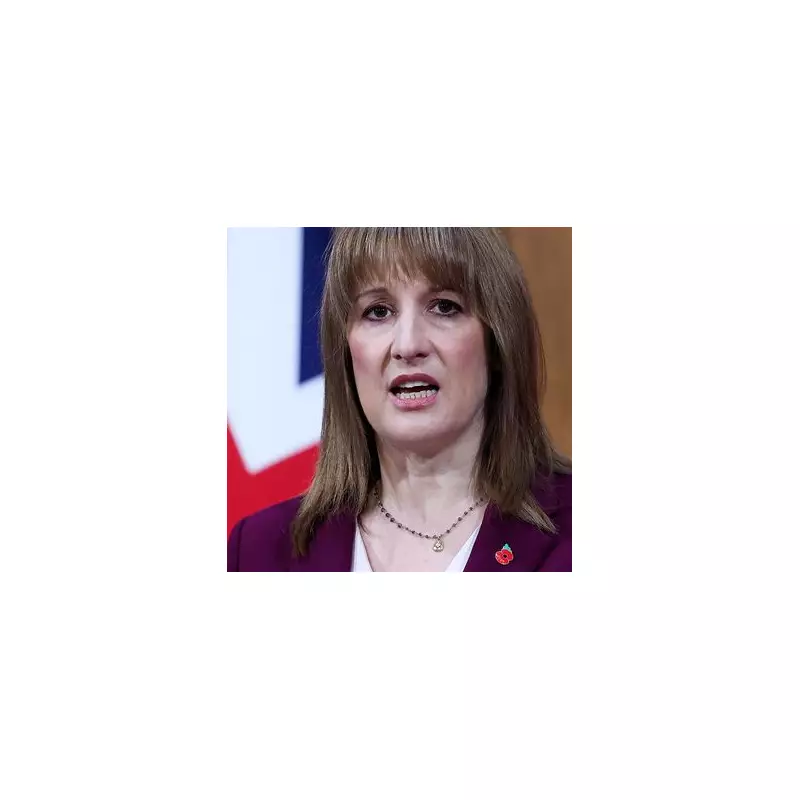
Chancellor Rachel Reeves is poised to unveil a significant shakeup of pension rules in the upcoming Autumn Budget, a move that could see the retirement savings of high earners reduced by almost £50,000. The Labour government is seeking ways to address a substantial financial shortfall identified by Prime Minister Sir Keir Starmer.
The Proposed Changes to Salary Sacrifice
At the heart of the proposed changes is a cap on popular salary sacrifice schemes. Currently, employees can pay up to £60,000 per year tax-free into their pensions using these arrangements. However, the Chancellor is expected to drastically reduce this benefit by limiting the annual tax break to just £2,000.
Any contributions made above this new threshold would then become subject to National Insurance charges. The analysis from investment firm AJ Bell paints a stark picture of the long-term consequences. They found that a 35-year-old earning £100,000 today could be £49,682 worse off by the time they reach retirement at 65 if this policy is implemented.
Broader Tax Increases and Broken Pledges
This pension adjustment is part of a wider package of tax measures that may break previous manifesto commitments. Reeves has strongly hinted that she will be increasing income tax, a move that would contradict a Labour pledge not to raise income tax, National Insurance, or VAT.
This would mean millions more Britons facing higher monthly tax deductions, delivering a fresh blow during the ongoing cost-of-living crisis. Everyone earning over £12,570 currently pays income tax, with the higher 40% rate applying to those with incomes above £50,270.
Industry Reaction and Future Complications
Rachel Vahey, head of public policy at AJ Bell, warned that the proposed pension changes could have unintended side effects. She stated, “It is possible some employers will scrap their salary sacrifice scheme if these changes add significant complexity and negate many of the benefits of offering it.”
Vahey did note that individuals could still make pension contributions to reduce their taxable income below certain thresholds, even without using the salary sacrifice mechanism. The highly anticipated Budget will be officially announced on November 26, setting out the full scope of the government's fiscal plans.