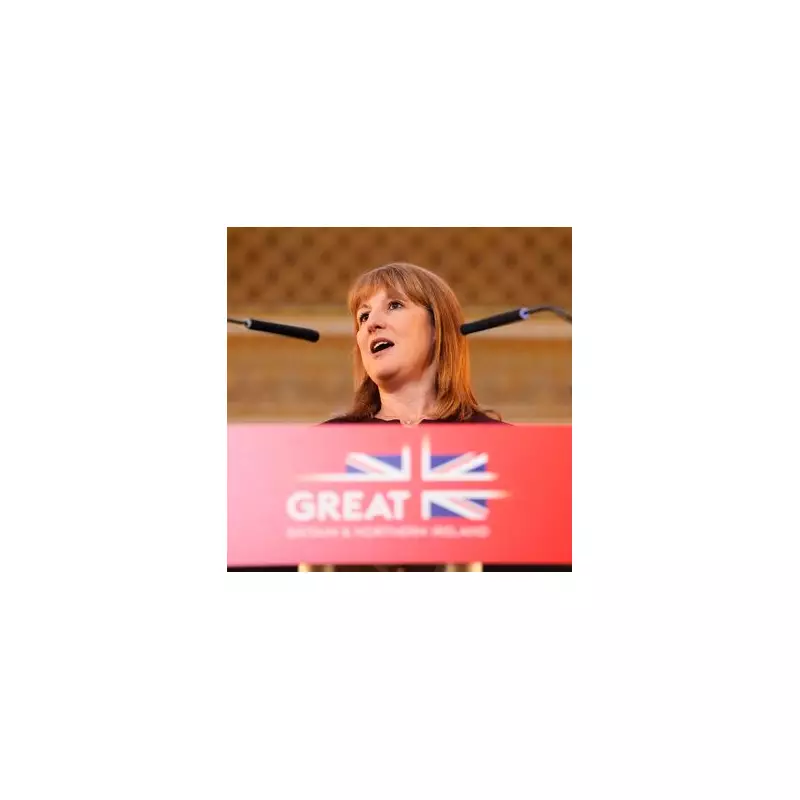
In a significant political reversal, Chancellor Rachel Reeves has abandoned her controversial plan to increase income tax in the upcoming Autumn Budget. This move represents a major climbdown after weeks of speculation that the government was preparing to break a core manifesto commitment.
A Budget Plan Unravels
The initial proposal, which had been submitted to the UK's independent fiscal watchdog, involved a 2p increase in income tax offset by an equivalent reduction in national insurance. This technical manoeuvre would have effectively contravened Labour's unequivocal election promise not to raise taxes for 'working people'.
According to the Financial Times, which first broke the story, these initial Budget proposals have now been formally dismissed. This development sends the Treasury back to the drawing board as it grapples with a substantial £30 billion deficit in the public finances.
Exploring Alternative Revenue Streams
With the option of a broad-based income tax rise now off the table, the Chancellor is reportedly exploring alternative methods to raise revenue. Indications now point towards several targeted tax increases aimed at specific sectors.
Sectors such as gambling and high-value properties are now in the crosshairs for potential tax hikes. This shift in strategy comes after business leaders across the UK warned the Chancellor that months of Budget uncertainty had severely undermined consumer confidence and caused companies to delay crucial investment decisions.
Another option believed to remain under serious consideration involves lowering the thresholds at which people begin to pay the higher and additional rates of income tax, while leaving the rates themselves unchanged.
The Political and Economic Fallout
This income tax debate has exposed significant friction within the Labour party. New deputy leader Lucy Powell has publicly expressed concern about the potential impact such a move would have on public trust.
The political stakes are exceptionally high. A recent City AM/Freshwater Strategy poll revealed that two thirds (66 per cent) of the UK electorate believe Rachel Reeves should resign if she ultimately decides to increase income tax. This underscores the weight of the pledge made during the 2024 election campaign, where Labour committed not to raise national insurance, income tax, or VAT for the duration of the parliament.
Meanwhile, the Chancellor is still expected to proceed with extending a freeze on personal tax thresholds, a fiscal drag measure projected to generate between £8 billion and £10 billion for the Treasury. Adjusting the thresholds for higher rate payers could contribute a further few billion to the public coffers. The focus on thresholds was notably hinted at when Reeves was photographed leaving Downing Street with her diary open on a page prominently featuring the word "thresholds".
All eyes are now on the Chancellor as she prepares to deliver her crucial Autumn Budget statement on November 26.