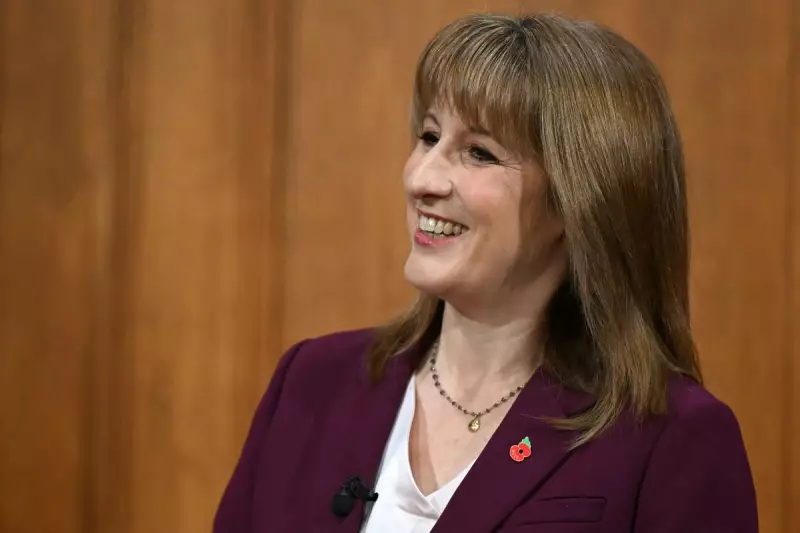
In a dramatic political reversal, Chancellor Rachel Reeves has abandoned controversial plans to increase income tax rates just days before the November 26 Autumn Budget.
The surprise U-turn follows intense pressure from within the Labour Party and concerns about voter backlash, marking a significant retreat from what would have been one of the most contentious fiscal decisions of the parliament.
Why the Chancellor changed course
According to multiple reports, Reeves quietly informed the Office for Budget Responsibility (OBR) mid-week that she was dropping income tax rate increases from her Budget plans. The decision represents a major shift after weeks of speculation that the Chancellor would break Labour's manifesto pledge not to raise income tax, National Insurance or VAT.
Political instability within Downing Street appears to have been a crucial factor, with Bloomberg's Alex Wickham reporting that Reeves had been unable to finalise Budget measures due to party disagreements. The Chancellor was reportedly preparing two versions: one with income tax rises and another featuring what was described as a 'smorgasbord' of smaller tax measures instead.
Labour's own backbenchers had grown increasingly uneasy about breaking the tax pledge, with deputy leader Lucy Powell warning it would damage 'trust in politics'. The Conservatives quickly seized on the development, with leader Kemi Badenoch calling it a Budget 'built on broken promises' despite welcoming the U-turn.
The stealth tax alternative
While headline income tax rates may now remain unchanged, millions of Britons could still face higher tax bills through alternative measures the Treasury is exploring.
The Chancellor is reportedly considering freezing or reducing income tax thresholds while keeping the main tax rates the same. This approach, often described as a 'stealth tax', has been used repeatedly in recent years because it raises significant revenue without ministers technically breaking tax-rate promises.
When thresholds fail to rise with wages, more income gets dragged into higher tax bands, creating a quiet but persistent increase in tax bills without any official announcement that 'taxes have gone up'.
What this means for your wallet
The practical consequences of threshold changes could be just as significant for many households as a small rise in the basic rate would have been.
For the average worker, this could mean:
- More people paying income tax at all as earnings rise but the personal allowance remains frozen
- Increasing numbers of middle earners being dragged into the 40% higher-rate tax band
- Year-on-year tax bill increases even if wages stagnate
Someone earning £32,000, for example, would see more of any pay increase taxed at 20% or could move closer to the 40% band if thresholds are tightened.
Plugging the fiscal gap
With income tax rate rises now apparently off the table, Reeves still needs to close a significant hole in the public finances. The Treasury is exploring a combination of smaller measures that together could meet the Chancellor's self-imposed fiscal rules.
Additional options under consideration include:
- Targeted tax rises on capital gains, second homes or other revenue sources
- Potential bank windfall taxes, though these remain politically contentious
- Business tax adjustments, though Labour remains cautious about investor confidence
- Clamping down on tax reliefs and loopholes, potentially raising billions without formal tax hikes
While none of these measures individually would deliver the scale of revenue an income tax rate rise would have provided, together they represent the 'patchwork of smaller measures' now expected to characterise the November 26 Budget.
The Liberal Democrats described the Chancellor's retreat as an '11th-hour screeching U-turn', highlighting the political drama surrounding a Budget that continues to evolve rapidly behind the scenes.