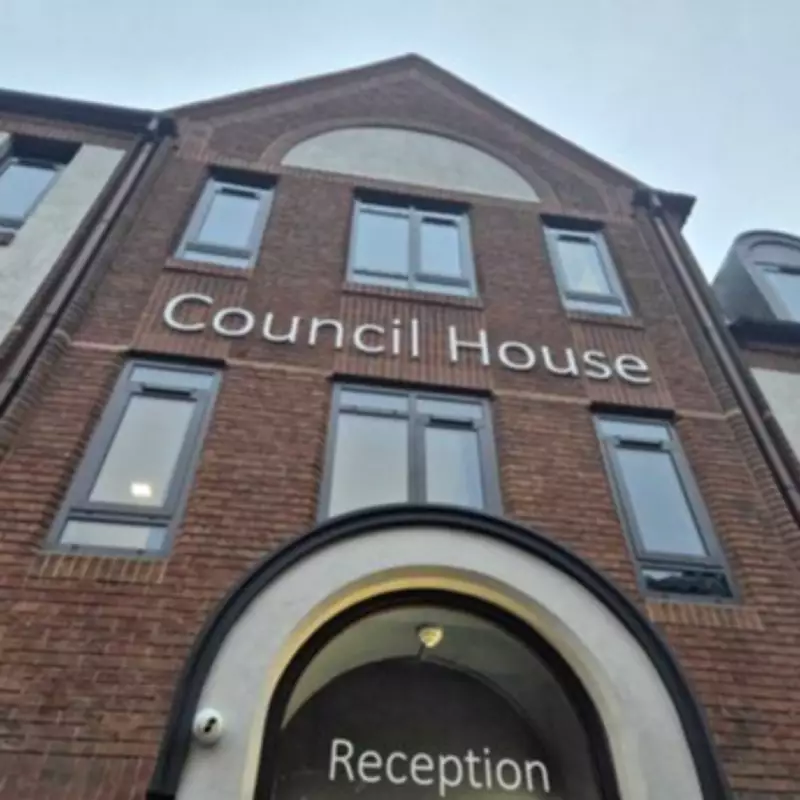
Solihull Council Approves Major Debt Write-Off Totalling £560,869
Solihull Council has officially sanctioned the write-off of £560,869 in historic debt, encompassing unpaid council tax, business rates, and housing benefit that could not be recovered. This decision was made by Councillor Bob Sleigh during a cabinet portfolio holder meeting held on March 23, 2026.
Details of the Unrecoverable Debts
The debts written off include significant amounts exceeding £10,000, which were deemed unrecoverable after exhaustive efforts. In a closed session, private elements of the debt involving council tax, business rates, and housing benefit were discussed, highlighting the challenges faced by the council in collecting these funds.
Additionally, officers reported that £258,755 in smaller debts below £10,000 were written off between October and December of the previous year. Andrew Felton, the council's director of resources, authorized these unrecoverable amounts, emphasizing the council's rigorous approach to debt management.
Council's Proactive Debt Collection Strategy
In their report, council officers stated, "We take a proactive approach to the collection of monies owed to Solihull Council. Where no further action can be taken to recover the outstanding balances, these are considered for write-off." The council employs various methods, including court action and collection agents, before resorting to write-offs.
This recent write-off follows a staggering £2.4 million written off in the previous financial year ending March 2025, indicating ongoing struggles with debt recovery. The council is not alone in this issue, as many authorities face similar challenges due to various factors preventing the collection of owed money.
Future Scrutiny and Transparency
The total debt write-off figures for this year will undergo thorough scrutiny at a summer cabinet session, ensuring transparency and accountability in the council's financial decisions. This move aims to address public concerns and maintain trust in the council's handling of public funds.
As Solihull Council continues to navigate these financial hurdles, the write-off underscores the broader difficulties local authorities encounter in recovering historic debts, impacting essential services and community resources.