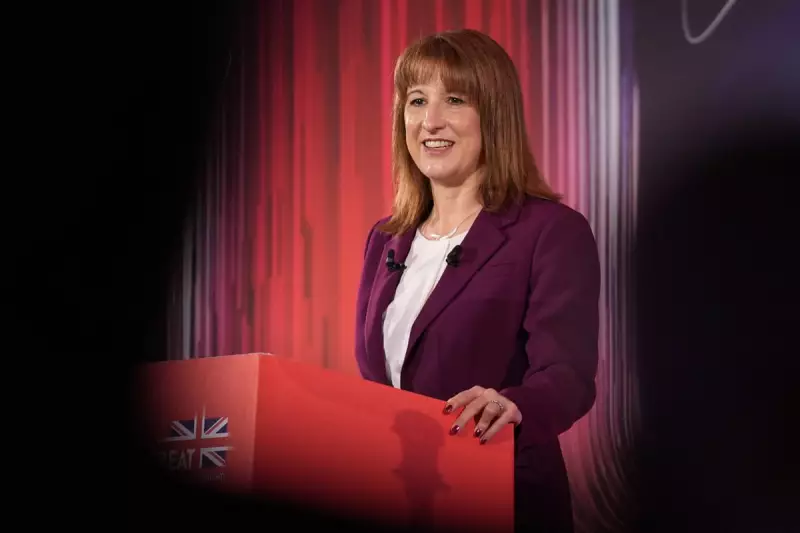
Millions of workers across the UK are set to see their tax bills rise over the coming years, despite the Government abandoning a planned increase in income tax rates. Chancellor Rachel Reeves is expected to announce an extension of the current freeze on income tax thresholds until 2030 in the forthcoming Budget.
The Mechanics of Fiscal Drag
This continuation of the threshold freeze, a policy already in place for several years, acts as a stealth tax mechanism known as fiscal drag. While the rates of income tax themselves will not change, the bands at which they are applied will not rise with inflation. Consequently, as wages increase, more workers will gradually find themselves pushed into higher tax brackets, and a greater proportion of their income will become taxable.
The Treasury estimates that extending this freeze for a further two years will raise approximately £8 billion per year. For households already grappling with high living costs, this means the effective tax burden will continue to climb throughout the decade, diminishing the real value of pay rises and limiting growth in take-home income.
A Shift in the Chancellor's Plan
Reports indicate that Chancellor Reeves has decided against implementing a direct rise in income tax rates. This reversal follows updated economic forecasts from the Office for Budget Responsibility, which suggested a smaller-than-anticipated gap in the public finances.
Choosing to raise income tax rates would have contravened a key Labour manifesto commitment, and the improved fiscal projections have provided the Treasury with room to alter its strategy. However, this does not signal a reduction in the overall tax burden. The government is still prioritising the creation of fiscal headroom—a financial buffer to protect against economic shocks.
Additional Measures Under Consideration
Alongside the threshold freeze, the Treasury is reportedly evaluating a suite of smaller tax changes to support its spending plans. These potential measures include:
- A new levy on high-value homes, targeting properties in council tax bands F, G, and H following a revaluation. This could affect around 300,000 properties, predominantly in London and the South East.
- Changes to salary sacrifice schemes, which could impact popular arrangements for cycle-to-work programmes, childcare vouchers, and electric vehicle leasing.
- An adjustment to the taxation of electric vehicles, though specific details remain unconfirmed.
The Treasury has declined to comment on these reports, maintaining its standard practice of not discussing tax decisions ahead of official fiscal events.
What This Means for Your Wallet
For the average person, the primary financial impact will stem from the prolonged threshold freeze. The consequences are clear:
Your take-home pay will increase at a slower rate than your gross salary. Over time, you are more likely to be pulled into a higher tax band. The overall amount of tax you pay is set to rise, even in the absence of a headline rate increase.
While the full details will be confirmed when the Budget is delivered on November 26, current indications suggest that tax bills for a significant number of households will continue their upward trajectory for the rest of the decade.