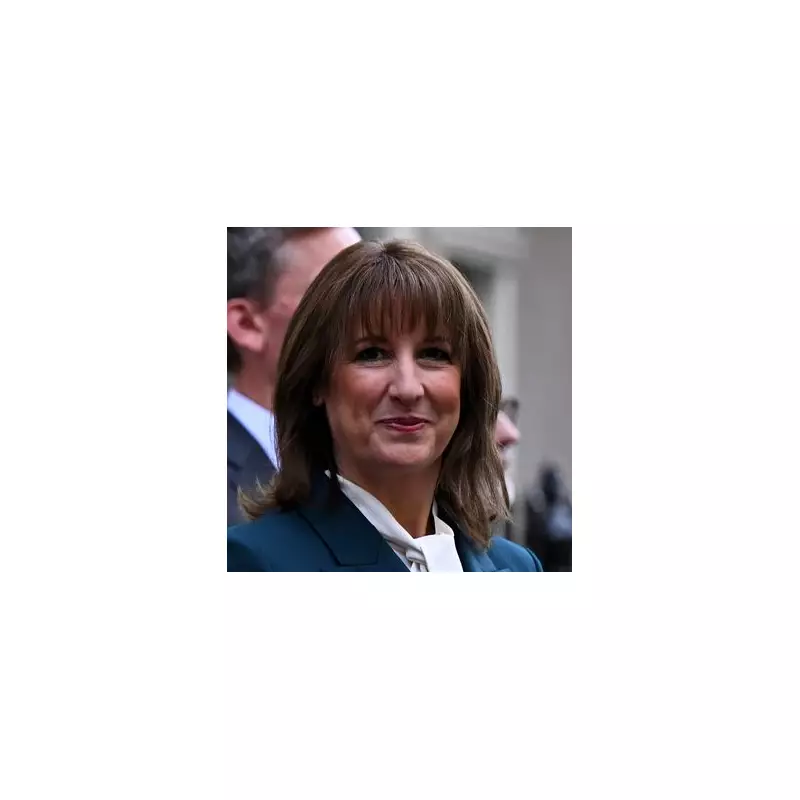
Millions of people across the UK who claim Universal Credit and other Department for Work and Pensions (DWP) benefits are set to receive a payment increase next year. The confirmation came from Chancellor Rachel Reeves as she delivered the Labour government's Autumn Budget on 26 November 2025.
Key Changes to Benefit Payments
The government has committed to an annual uplift for key benefits to help households manage the ongoing cost of living. This policy directly impacts millions of claimants.
For Universal Credit, the standard allowance is set to rise. For single claimants, the weekly payment will increase from £92 to £98. For couples, the weekly amount will rise from £145 to £154.
This increase also extends to other vital support payments, including Personal Independence Payment (PIP) and Carer's Allowance, providing a financial boost to some of the most vulnerable individuals and families.
Major Shift in Savings Policy
One of the most significant announcements in the budget was a substantial change to the rules governing Cash ISAs. The tax-free annual allowance for Cash ISAs has been slashed from £20,000 down to £12,000.
However, this reduction will not apply to everyone. There is a crucial carve-out for people aged over 65, who will retain the higher £20,000 Cash ISA limit. The allowance for Stocks and Shares ISAs remains unchanged at £20,000.
It is important to note that this change only affects new money being deposited into the accounts and does not impact funds already held within existing ISAs.
Reaction and Policy Aims
The move had been widely anticipated by financial experts in the preceding months. Money saving expert, Martin Lewis, commented on the social media platform X about the rationale behind the policy.
He stated that the government's stated aim is not to raise revenue, but to encourage younger people to invest rather than save. The logic is twofold: it benefits the wider economy and, historically, investments have outperformed cash savings over the long term.
Lewis expressed relief that the Chancellor had listened to concerns about a blanket cut, noting that "the carve out for over 65s makes total sense." He also emphasised that this policy should be accompanied by better investment education and guidance for young people.
While acknowledging that a "carrot not stick" approach might have been preferable, he concluded that a £12,000 annual allowance is still a significant amount for many savers.