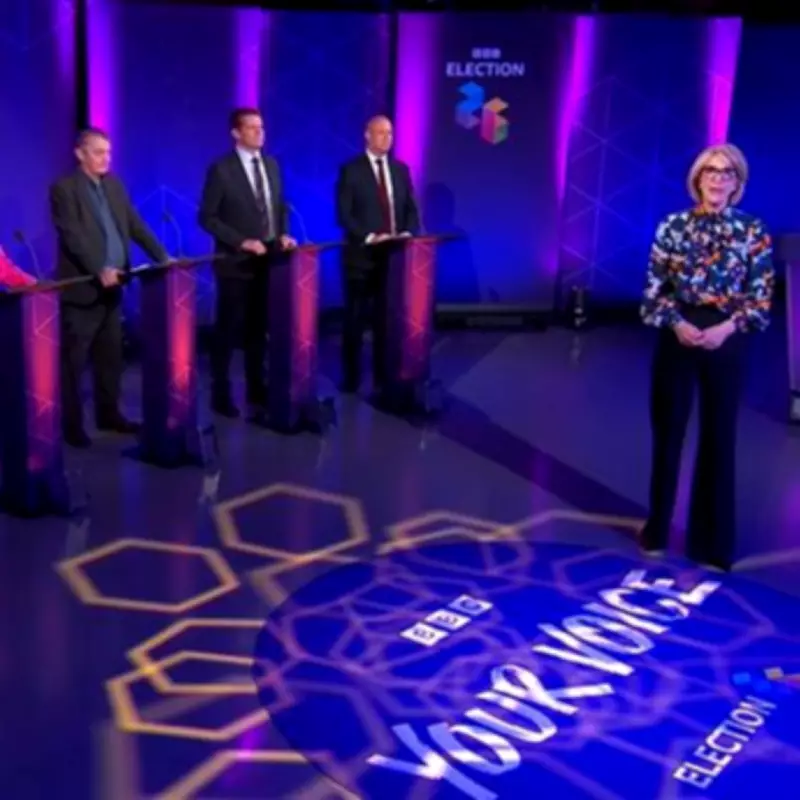
Since devolution began twenty-seven years ago, Welsh politics has been dominated by Labour, often relying on agreements with other parties to govern. While some argue this has provided stability, waiting lists have grown, the economy has underperformed, housing pressure has intensified, and debates on productivity, poverty, and public services have repeated year after year.
With polls suggesting no party will secure an overall majority in the Senedd, the country's future may depend on cross-party agreements on budgets, legislation, and governance. Reading the six manifestos reveals parties are closer than their campaign rhetoric suggests.
Health: Common Ground for Agreement
The biggest issue is health, and every party agrees the NHS in Wales is under severe strain, damaging public confidence. Labour focuses on new hospitals and shorter waiting times; Plaid Cymru proposes surgical hubs and better health-care integration; the Liberal Democrats want expanded care capacity; the Conservatives would declare a health emergency; and Reform and the Greens both call for urgent intervention.

Despite differences over funding and management, there is enough overlap for a pragmatic programme to cut waiting lists, expand planned care, and address corridor care. In a hung Senedd, compromise on health will be the first test of political maturity.
Childcare: An Easy Cross-Party Deal
Childcare is an area of broad agreement. Plaid Cymru and the Lib Dems want universal childcare from nine months; the Greens back the same; the Conservatives support extending free childcare from nine months to four years; and Labour prioritises childcare expansion. Childcare is increasingly seen as economic infrastructure, helping parents return to work and boosting family incomes. This makes it one of the easiest areas for a cross-party deal.
Economy: Limited but Real Opportunity
No party argues Wales's economy is performing as it should. Labour wants a new industrial strategy; Plaid and the Conservatives propose a National Development Agency; the Liberal Democrats talk about business rates reform; and Reform, despite populist language, backs business and cutting waste. While not a shared philosophy, there is room for agreement on business rates reform, apprenticeship support, and simplifying business support—unglamorous but achievable policies for a minority government.
Housing: Divided but Potential for Centre-Left Consensus
Housing is more politically divided, but Labour, Plaid Cymru, the Liberal Democrats, and the Greens all call for more affordable and social housing, stronger action on homelessness, and a bigger state role. The Conservatives focus on planning reform, while Reform places less emphasis on social housing. If the arithmetic points to a centre-left understanding, housing could become a substantial area of agreement.
Environment: Broader Consensus Than Expected
Net Zero remains a dividing line, especially with Reform. However, on river pollution and water quality, there is broad consensus. Labour, the Liberal Democrats, the Greens, the Conservatives, and Reform all promise tougher action on polluted rivers and sewage discharges, enough to support stronger enforcement.
Tax and Constitution: Hardest to Agree
Tax is the most contentious issue. Labour will not raise Welsh income tax; Conservatives and Reform want cuts; Liberal Democrats leave the door open to a temporary rise for social care; Plaid wants broader tax powers; and the Greens want wide reform. Constitutional questions also divide, with Plaid fundamentally different from others.
Conclusion: A Shift to Negotiated Politics
A Senedd without a majority need not mean paralysis, but a grand coalition is unlikely due to deep ideological divides. Instead, it may produce negotiated politics where parties agree on specific measures in areas where the public demands action. After nearly three decades of Labour dominance, such a shift would be significant. The frustration in Wales is not just disagreement but facing the same problems as two decades ago. The next government will be judged by its ability to make the Welsh state work better—through compromises that lead to shorter waits, better services, and a stronger economy.