Government Announces Major Energy Bill Reduction for Millions
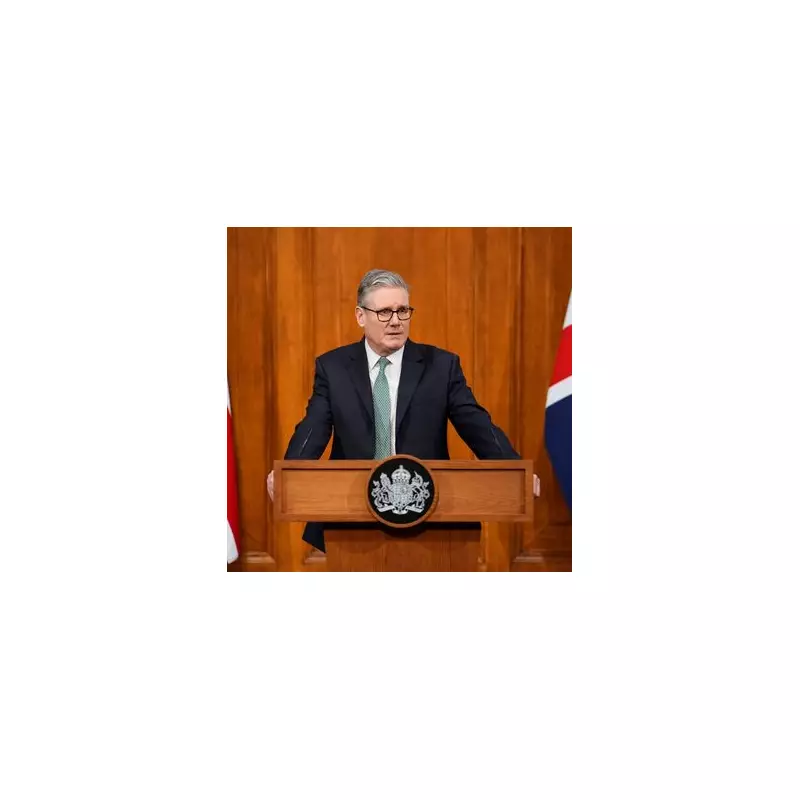
Prime Minister Keir Starmer has unveiled a significant new cost-of-living support package in the House of Commons, targeting millions of UK households who do not currently claim benefits. The initiative forms part of a broader strategy to alleviate financial pressures across the nation.
£150 Annual Saving on Energy Costs
The central measure involves government intervention to reform how households are charged for gas and electricity. Ministers have compelled energy companies to adjust their pricing structures, resulting in an average reduction of £150 per year on energy bills for eligible households. These new, lower rates are scheduled to take effect from April 2026.
This policy delivers a direct financial boost, allowing families to retain more of their income instead of allocating it to essential utility costs. The move is designed to provide relief to a wide demographic, specifically those who have not qualified for traditional benefit-based support schemes.
Enhanced Support for Lowest-Income Households
Alongside the universal reduction, the government has confirmed an extension of the Warm Home Discount (WHD) scheme. This year, eligibility has been broadened to include all claimants of Universal Credit, the poorest pensioners, and individuals on several other specific benefits.
For these households, the WHD provides an additional £150 saving. When combined with the new £150 energy bill cut, it creates a total annual reduction of £300 for approximately six million of the UK's most financially vulnerable families.
Starmer's Warm Homes Plan
Announcing the measures, Prime Minister Starmer framed them within the context of the larger Warm Homes Plan. He stated, "We're taking £150 off energy bills. That's £300 for the six million poorest families. The Warm Homes Plan we're announcing is the biggest ever public investment in upgrading British homes."
The Prime Minister emphasised the long-term goal of the initiative, which aims to lift one million homes out of fuel poverty by improving energy efficiency and directly tackling high living costs. "That's the difference a Labour Government makes," he concluded, positioning the policy as a cornerstone of the administration's domestic agenda.
The dual approach of immediate bill reductions and targeted discount extensions represents a comprehensive effort to address the cost-of-living crisis from multiple angles, providing both broad-based and focused financial support to UK residents.