Birmingham Council Budget Meeting Erupts in Tension as Leader Declares 'Corner Turned'
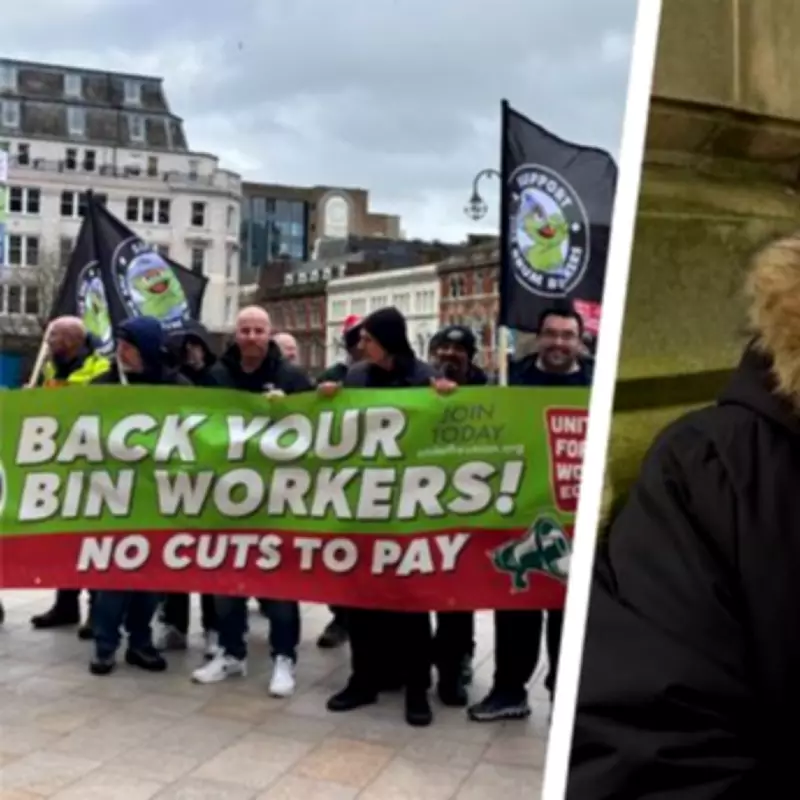
Birmingham bin workers and frustrated residents gathered in protest outside the Council House on February 24, 2026, as the Labour-run council held a crucial budget meeting. The demonstrations highlighted ongoing anger over service cuts and a prolonged bins strike that has plagued the city for years.
Council Leader's Optimistic Declaration
Inside the chamber, Council Leader John Cotton struck a defiant tone, arguing that Birmingham City Council had "turned a corner" after closing a reported £300 million budget gap. He declared that the "bankrupt Birmingham" label had been discarded and emphasized there would be "no backtracking" on progress made over the past two years.
"Birmingham is my city," Cotton told councillors. "I've lived here all my life – and I was determined to get this council, and the city, back on track. This budget does exactly that."
He claimed the council had returned to "the mainstream of local government" and announced an additional £130 million investment in services, focusing on cleaner streets and improved local provisions.
Resident and Worker Anger Persists
Outside the meeting, protesters painted a different picture. Jean Cross, a resident who fought unsuccessfully to save the now-closed Harborne Day Centre, described recent cuts as "drastic" and dismissed Cotton's optimistic claims.
"It's not great days ahead for the people who have suffered from the cuts," she said, referencing the council leader's comments.
Bin strike workers and their supporters displayed signs urging Labour to "end the bin strike" and demanding a "fair deal now." Workers have previously claimed they face pay cuts of up to £8,000, though the council disputes this figure and maintains a fair offer was made before negotiations ended last summer.
Political Opposition and Criticism
Conservative group leader Robert Alden launched a scathing attack on the Labour administration, criticizing what he called the "double whammy of higher taxes for fewer services."
"This talk of fixing the council from the failed Labour administration is just that – talk," Alden said. He pointed to headlines about rubbish and rats as part of Labour's legacy, claiming Conservative plans would "clean up the streets" and maintain weekly bin collections.
Liberal Democrat councillor Roger Harmer argued that a "full recovery" from the financial crisis remains "some way away," citing ongoing issues like asset sales, the Oracle IT system problems, and the bins strike. "We are far from being out of the woods," he warned.
Green Party councillor Julien Pritchard condemned claims that the "bankrupt Birmingham" era had ended, saying: "Tell that to the residents in left behind neighbourhoods across the city."
Root Causes and Political Context
The financial crisis that engulfed Birmingham Council has been attributed to several specific issues, including the equal pay debacle and the disastrous implementation of an IT system. Labour councillors have also pointed to funding cuts during previous Conservative governments as contributing factors.
With local elections approaching, Cotton framed the city's choice as between "fresh ambition and progress with Labour" or "opening the door to a politics of division and despair."
Despite the council leader's declaration of progress, the protests and opposition criticism suggest Birmingham's path to financial stability remains contentious and far from universally accepted by residents and political opponents alike.