Birmingham Council Budget Meeting Ends in Deadlock, Forcing Second Session
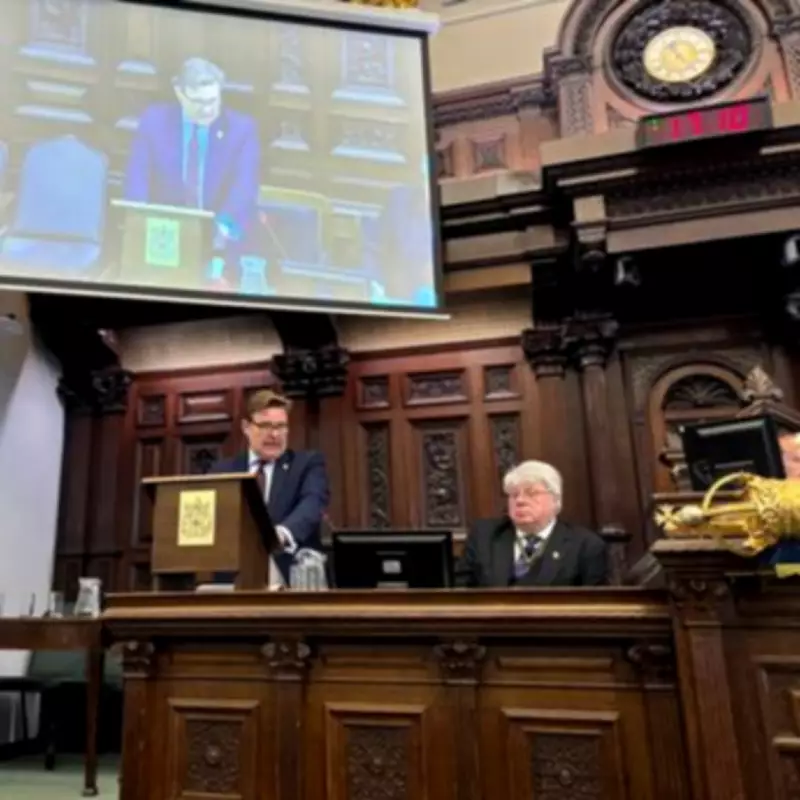
Birmingham City Council's vital budget meeting for the 2026-27 fiscal year ended dramatically without a decision after the ruling Labour leadership failed to secure the necessary votes to pass its proposed budget. The meeting, which lasted over five hours, concluded abruptly when Labour realized it lacked the numbers to proceed without opposition support, leading to an adjournment and plans for a second meeting before the legal deadline of March 11.
Cross-Party Negotiations Begin Amid Political Tensions
Council Labour leader John Cotton acknowledged the need for broader agreement, stating, "I think we all accept we have a responsibility to agree a budget by March 11. That's a legal duty that falls upon all of us." He emphasized the importance of not jeopardizing the council's improvement journey and seeking the widest possible consensus. In a last-minute move, Labour approached the Liberal Democrats to delay the vote, though no deal was struck. Senior Liberal Democrats clarified that they were not backing Labour's budget but saw value in taking "breathing space" for further discussions.
Conservative members responded with cries of "shame" from the benches, highlighting the political friction. Veteran councillor Paul Tilsley urged colleagues to think beyond party lines, noting that councillors operate on behalf of the entire city, not in a "cocoon." He argued that a brief delay would allow all parties to work toward the best outcome for Birmingham.
Labour's Struggle with Numbers and Absences
Labour faced challenges in mustering its full voting strength, with some of its 51 members absent due to illness. Chief whip Ray Goodwin and leader John Cotton made frantic efforts to ensure all available members were present for the critical vote, but the group's majority had been diminished by recent defections, illnesses, and tragedies. This forced Labour to seek support from opposition groups, including the Liberal Democrats, Conservatives, and Independents, to pass the budget legally.
Impact on Residents and Services
The deadlock means residents must wait to learn the details of their council tax bills and which services will be affected. The budget determines priorities and spending on essential services such as bin collections, road maintenance, adult and children's services, libraries, youth services, education, and homelessness initiatives. It also sets council tax and business rates, making it a critical component of local governance.
Opposition members criticized the Labour administration during the meeting, citing issues like the bin strike, overspending on the Oracle IT scheme, equal pay disputes, and reduced funding for libraries and youth services. Labour members defended their plans, outlining their vision for the city's future.
The annual budget meeting is a pivotal event in Birmingham's local democracy, often overlooked but with far-reaching consequences for every resident. With the March 11 deadline looming, the council is now racing against time to forge an agreement that balances legal requirements with the needs of the community.