Birmingham Residents Advocate for Community Spirit After Council's Heated Reputation Debate
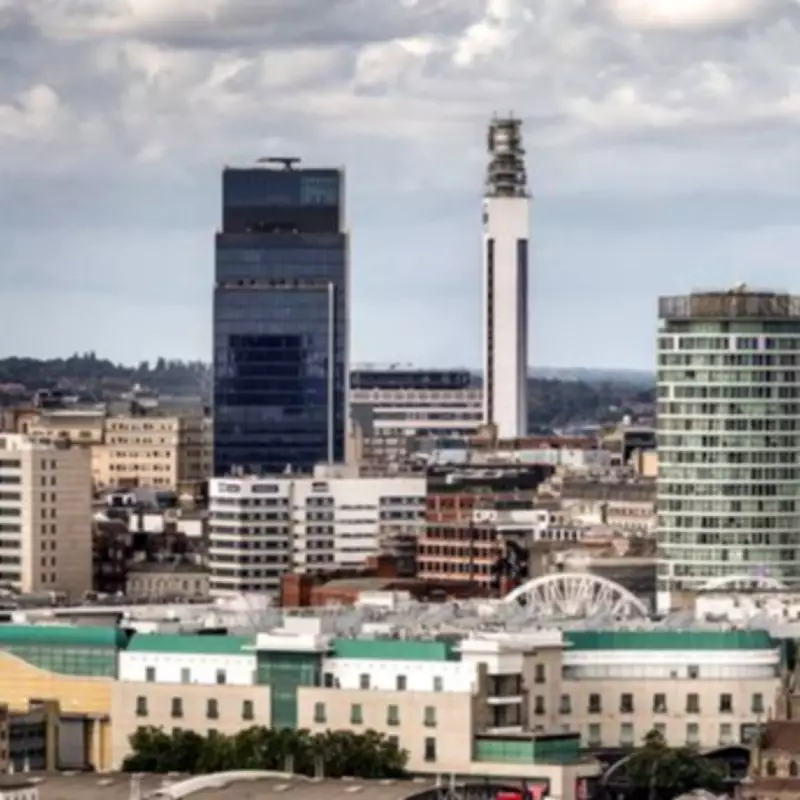
A fierce debate erupted at Birmingham City Council during a recent budget meeting, sparking a contentious discussion about the city's reputation. The local authority's leader, John Cotton, described Birmingham as a "powerhouse" while highlighting budget proposals aimed at revitalizing council services and ongoing regeneration projects. However, this optimistic portrayal was met with sharp criticism from some councillors, who argued that financial crises and past issues like the bins strike have tarnished the city's image.
Divergent Views in the Council Chamber
Councillor Jane Jones, who left the Labour party to serve as an independent, strongly opposed Cotton's characterization. She controversially labeled Birmingham as the "cesspit of Europe" and a "laughing stock" on the global stage, citing the local authority's financial struggles as a key factor. This stark contrast in perspectives ignited a passionate exchange among council members, underscoring deep divisions over how the city is perceived both locally and internationally.
Residents Emphasize Personal and Community Contributions
In response to the political turmoil, Birmingham residents are urging their fellow citizens to focus on grassroots efforts rather than political rhetoric. Vicky Fisher, a resident who has lived in multiple neighborhoods including Small Heath, Sparkbrook, and Alum Rock, shared her perspective. She stated, "I think Birmingham is what you make it, and I say that as someone not originally from Birmingham. I've lived in what some people would class as not the most desirable areas. I would say it depends on what you put into the community."
Fisher encouraged individuals to take ownership of their local environments, noting initiatives like litter picking by residents. She added, "Don't let the politics say what our city is, allow it to be what you want for your area. It's about you changing your local area. We don't always have money, but what we can do is make do and mend as we did in the pandemic."
Mixed Perceptions of the City's Current State and Potential
Another resident, Isaac Samuel, offered a more nuanced view. While acknowledging Birmingham's potential, he expressed concerns about neglected areas. Samuel said, "I think parts of the city are a cesspit. There's quite a lot that has been ignored for a long time. I don't think any of it can be called a powerhouse – there's still a lot of potential."
He pointed to ongoing projects that could enhance the city's future but emphasized that unresolved issues remain prominent. Samuel concluded, "It's hard to say one or the other definitely, but it's not amazing, you know." This sentiment reflects a broader community dialogue about balancing criticism with hope for improvement.
Looking Ahead: The Role of Local Engagement
The debate highlights a critical tension between political narratives and everyday realities in Birmingham. As council leaders push forward with budget plans aimed at recovery, residents like Fisher and Samuel underscore the importance of community action in shaping the city's identity. Their calls for personal involvement suggest that Birmingham's reputation may ultimately be forged not in council chambers, but through the collective efforts of its people.