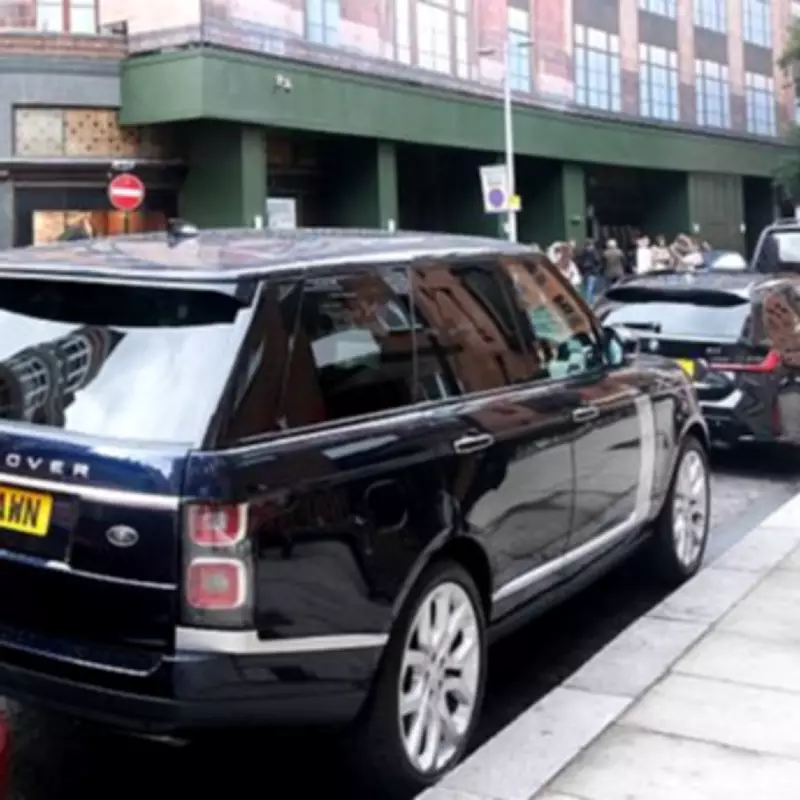
Cardiff Council's SUV Tax Proposal Faces Unexpected Backlash
Plans by Cardiff Council to introduce increased residential parking permit charges for heavier vehicles have sparked controversy after it emerged the policy would inadvertently impact the council's own fleet. The authority's proposal to double parking fees for vehicles weighing over 2,400kg could see around 1,000 council-owned vans, cars, and lorries subject to the new charges.
Details of the Proposed Vehicle Charges
Under the council's proposals, drivers of vehicles exceeding 2,400kg would pay double the standard £35 annual residential parking permit, effectively creating a new "car tax" for larger vehicles. Official documents state the measure aims to better manage limited kerbside space and encourage more sustainable transport choices across the city.
Taxpayer Concerns and Council Fleet Impact
The TaxPayers' Alliance has highlighted the irony that the council would be effectively taxing its own vehicles, with costs ultimately falling back on local taxpayers. A spokesperson for the group called the situation "absurd," noting that the bill would still land on residents despite the council's intentions.
Support for Sustainable Transport Vision
Oliver Lord, UK Head of Clean Cities, praised Cardiff's approach, stating: "Cardiff is showing real vision by standing up to the SUV carspreading that’s taking over our streets. It’s only fair that those driving the biggest, heaviest and most polluting vehicles pay more for the extra space and danger they bring." He described the policy as common-sense and suggested other UK cities could learn from Cardiff's leadership.
Council's Justification and Safety Concerns
Dan De’Ath, cabinet member for transport, defended the proposals by emphasizing safety and infrastructure concerns. He explained that SUVs cause more road wear and tear and significantly increase fatality risks in accidents involving children. "We don’t think it’s unreasonable to ask people driving those kinds of vehicles to pay a little bit more for road wear and the extra space they take up," he said, clarifying that the policy targets very heavy American-style vehicles rather than all SUV-shaped cars.
De’Ath emphasized that the goal is not to ban vehicles but to gently encourage behavior change toward more sustainable transportation options. The council continues to review the implications of the policy on its own operations while moving forward with public consultations on the proposed charges.