Investigation Exposes Major Procurement Failings in Cardiff's £30m Aberthaw Demolition Contract
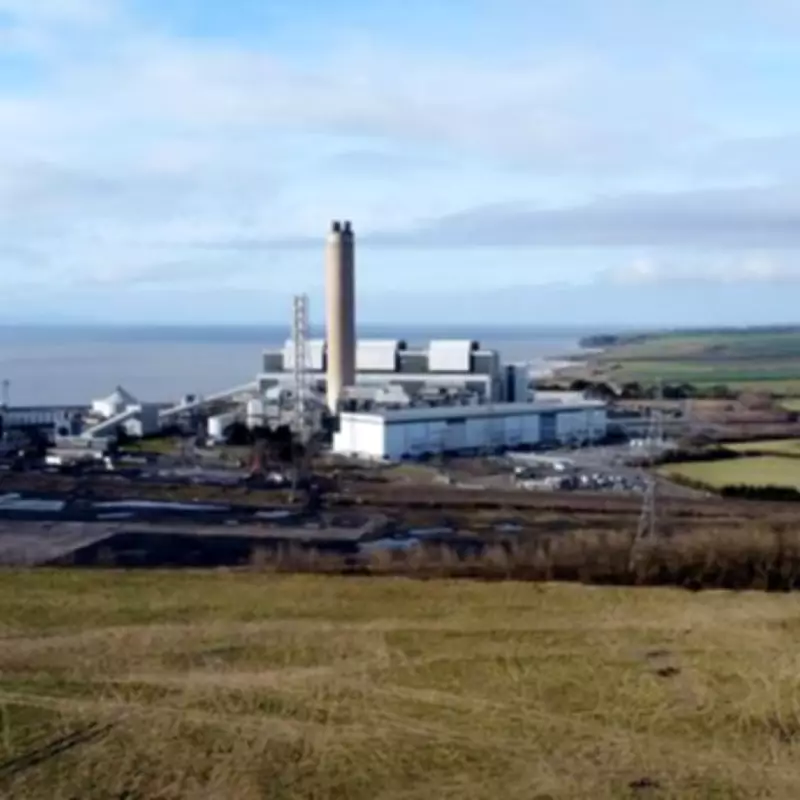
A comprehensive independent investigation has uncovered significant failings in the procurement process that led the Cardiff Capital Region to award a £30 million contract for demolishing and remediating the former Aberthaw Power Station site. The report, conducted by professional advisory firm Deloitte, highlights multiple procedural errors that ultimately resulted in a successful legal challenge by a losing bidder.
Late Bid Acceptance and Scoring Irregularities
The investigation revealed that demolition firm Erith submitted their bid eight minutes after the official deadline on April 28, 2023. Despite this lateness, Cardiff Council decided to accept the bid based on technical issues Erith reported experiencing while uploading documents to the Proactis portal. This decision, taken solely by Cardiff Council, created potential risk by departing from established procurement protocols.
Furthermore, the Deloitte review identified concerning inconsistencies in how bids were evaluated. The report states that evaluators shared scores among themselves ahead of moderation meetings in May 2023, potentially introducing bias into the evaluation process. Several evaluators had prior public sector procurement experience and should have recognized the risks associated with such score sharing.
Legal Challenge and Financial Consequences
After the contract was awarded to Erith in 2023, losing bidder Brown and Mason launched legal action questioning the procurement process oversight. In January 2025, the Cardiff Capital Region abandoned its defense and agreed to pay a £5.25 million settlement to Brown and Mason. When combined with legal costs exceeding £900,000 and the Deloitte investigation expenses, total related costs amount to approximately £6.5 million.
The summary of Deloitte's report published by the city region does not explicitly detail what specific aspects of Brown and Mason's legal disclosures prompted the abandonment of the defense position. A full copy of the report has been sent to the auditor-general for Wales, who may provide additional insights.
Governance and Process Deficiencies
Deloitte's investigation, which reviewed more than 5,500 electronic documents, concluded there was no deliberate wrongdoing or misconduct by individuals involved. However, the report identified significant breakdowns in the procurement process that fell below expected standards for a project of this magnitude and significance.
The review highlighted insufficient documentation of key decisions and a lack of formal training and guidance for evaluators. Cardiff Council managed the procurement process from "end to end," with the then finance director of Cardiff Capital Region serving as pricing evaluator despite lacking specific prior experience in public sector procurement.
Leadership Response and Future Actions
Mary Ann Brocklesby, chair of the Cardiff Capital Region and leader of Monmouthshire County Council, stated: "Plainly, there are many lessons to be learned, and I am confident that every effort will be made to fully implement the recommendations of the review."
As part of strengthening governance, Monmouthshire Council chief executive Paul Matthews has been appointed chair of CCR Energy, the subsidiary overseeing the Aberthaw project. Matthews emphasized that the focus remains on ensuring the demolition and partial remediation progresses according to plan while implementing the review's recommendations.
Project Background and Financial Implications
The Cardiff Capital Region acquired the 500-acre Aberthaw Power Station site from RWE for £8 million in 2022, with £30.4 million allocated for demolition and remediation work. The long-term vision involves transforming the site into a major hub for green energy.
Despite the procurement issues, Erith remains on track to complete demolition and partial remediation by the end of March 2026. The city region has claimed £2.9 million in land remediation relief from the site, which will strengthen its balance sheet and support the development of a flagship green energy park.
City region officials emphasize that the legal challenge and related costs have been fully funded from commercial returns, with no impact on core Cardiff Capital Region programme budgets or requirement for additional public funding. However, the £6.5 million spent on the settlement and investigation represents funds that could have been deployed to support business growth in the region.
Looking forward, the Cardiff Capital Region forecasts that interest and capital returns from investments made through its City Deal will reach £30 million by the end of the 2025/26 financial year, with these funds earmarked for reinvestment. The organization continues to assess potential commercial opportunities from the site, including the 18 million tonnes of pulverised fuel ash that could be used in cement production.