Government Compelled to Address WASPI Campaign as Petition Gains Momentum
The Department for Work and Pensions and the Labour government have been compelled to issue a fresh statement regarding compensation for WASPI women, following a parliamentary petition that has rapidly gained substantial public support.
Petition Mechanism Triggers Official Response
Under the parliamentary petition system, any submission that reaches 10,000 signatures automatically triggers an official government response. This threshold has been decisively surpassed by the campaign calling for justice for women born in the 1950s who were affected by changes to the state pension age.
The petition, which has now attracted nearly 60,000 signatures, demands comprehensive government action. It states clearly: "We ask Government to deliver a fair, timely, fully transparent apology that reflects ALL evidence based on what we think constitutes maladministration and discrimination; and addresses the financial, emotional and personal hardship experienced by 1950s women caused by pension changes."
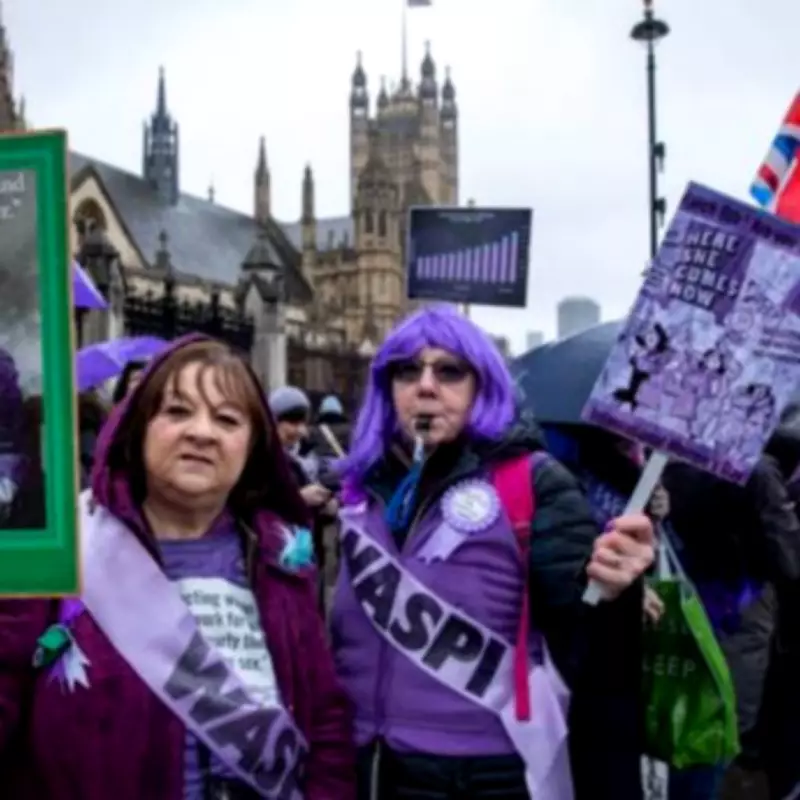
Campaigners Highlight Historic Injustice
Campaigners argue that many women born in the 1950s have faced what they describe as lifelong and historic discrimination, exacerbated by what they claim was inadequate communication from the government about significant changes to their state pension age.
The petition text further contends: "DWP Ministers have listened only to a group representing a fraction of those affected, leaving others feeling ignored. As many campaign groups unite, we think it is unacceptable that the Government continues to silence the majority. After decades of inequality, accountability and action are long overdue."
With the current signature count standing at 57,202, the campaign continues to gather momentum. While 100,000 signatures would secure a parliamentary debate, the critical 10,000 threshold has already been met, legally obligating the government to respond within a strict 20-day timeframe.
Government Defends Its Position
In its defence against compensation claims, the DWP maintains that the majority of women affected were adequately informed about the state pension age changes before they were implemented. The department has expressed concerns that any compensation scheme would potentially benefit women who did not experience genuine injustice.
The government's official response challenges the Parliamentary and Health Service Ombudsman's assumptions, stating: "the PHSO's assumption that unsolicited letters, if received earlier, would definitely have been read and recalled is flawed as the evidence suggests otherwise."
Furthermore, the government argues that establishing a compensation mechanism would present significant practical challenges: "Creating a scheme to assess individual impact, or based on self-certification would be a highly impractical and time-consuming process, particularly given the difficulties of establishing what individuals knew around 20 years ago..."
The official position concludes firmly: "Introducing a financial compensation scheme is neither fair nor feasible and would not represent good value for taxpayers, and, as a consequence, one will not be set up."
This developing situation represents a significant test for the government's approach to historical pension policy decisions and its responsiveness to sustained campaign pressure through official parliamentary channels.