DWP Granted Authority to Suspend Driving Licenses in Benefit Fraud Crackdown
The Department for Work and Pensions (DWP) has been granted significant new enforcement powers under the current Labour Party government, specifically targeting benefit fraud and error. These powers include the ability to strip driving licenses from individuals receiving three key benefits who owe substantial welfare debts.
Three Benefits Targeted in Initial Phase
The DWP is focusing its initial efforts on three specific benefits where fraud rates have been identified as particularly problematic. Universal Credit, which has the highest documented rate of fraud, leads the list. It is followed by Employment and Support Allowance (ESA) and Pension Credit. The government approved these measures earlier this week, providing the DWP with tools to directly recover owed funds from bank accounts without requiring a court order and to revoke driving privileges.
Threshold and Implementation Details
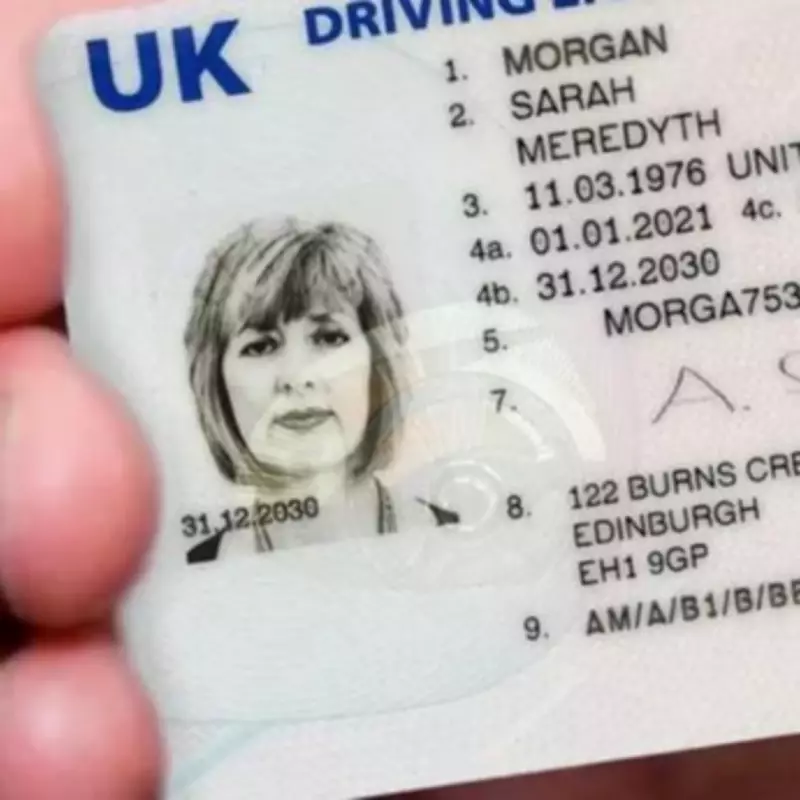
The license suspension mechanism will be activated through court applications by the DWP. Courts can suspend driving licenses when individuals owe more than £1,000 in welfare debts and have repeatedly ignored official requests to repay the amounts. This measure is designed to pressure suspected fraudsters into returning funds identified as fraudulently claimed or obtained through error.
Work and Pensions Minister Alison McGovern has publicly supported these powers, describing them last year as an additional "tool in the box" for pursuing repayments. In a 2025 interview with BBC Breakfast, McGovern emphasized that the license revocation would serve as a "backstop" against individuals determined to evade debt collection efforts, particularly those who "don't want to co-operate."
Controversy and Political Context
Despite government support, the new powers have sparked considerable controversy. Directors from Big Brother Watch and Age UK have written to former DWP head Liz Kendall, condemning the plans as "mass financial surveillance powers." They argue these measures represent a "severe and disproportionate intrusion into the nation's privacy."
The political landscape surrounding this legislation is complex. Conservative Party shadow work and pensions secretary Helen Whately has noted that the government's bill continues work initiated by the previous administration. Whately has urged Labour to "do more to tackle the spiralling welfare budget." This criticism comes after revelations that Labour had previously criticized similar Tory proposals, attacking the initial legislation as "poorly delineated." Since assuming power, the Labour government has pledged that banks will only provide "very limited information" to the DWP under these new rules.
The expanded DWP powers mark a significant shift in how benefit fraud is addressed, combining financial recovery mechanisms with personal privilege restrictions to enhance enforcement capabilities.