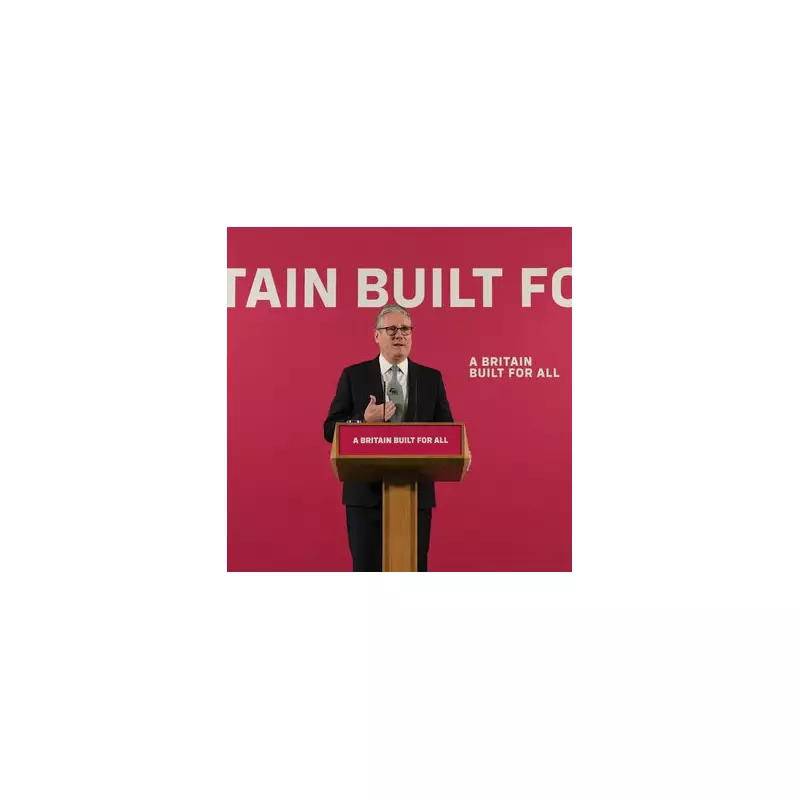
Prime Minister Sir Keir Starmer has delivered a major speech setting out his government's direction following last week's Autumn Budget, defending tax rises while detailing immediate support for families and a long-term economic vision.
Immediate Support for Households and Families
In his address, Sir Keir expressed pride in one of the Budget's flagship policies: the scrapping of the two-child benefit cap. The government estimates this move alone will lift over half a million children out of poverty.
To tackle the ongoing cost-of-living pressures, the Prime Minister outlined a series of immediate freezes and direct payments. These include a hold on rail fares, prescription charges, and fuel duty. Furthermore, a targeted energy bill support package will provide a £150 discount for most households, rising to £300 for the poorest this winter.
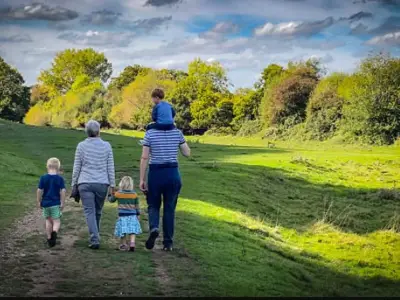
Recognising the strain on working parents, Sir Keir highlighted a significant expansion of childcare. The government is committing to 30 hours of free care for every child from nine months to four years old, a measure designed to save families thousands and help parents return to work.
Defending Fiscal Choices and Economic Progress
The Prime Minister staunchly defended the Budget's tax rises as necessary and fair, explicitly rejecting alternatives such as deep cuts to public services or what he termed "reckless borrowing."
He pointed to economic progress made during his seventeen months in office, claiming Britain is now cutting borrowing faster than any other G7 nation while economic growth is outperforming earlier forecasts. Sir Keir also cited a record reduction in child poverty, falling NHS waiting times, and lower immigration as key achievements.
"We have passed through the narrowest part of the tunnel," the PM stated, while cautioning that the crisis is not over for everyone. He promised that communities would feel the benefits of the government's approach in the year ahead.
A Long-Term Plan: The "Productivity Revolution"
Looking beyond immediate relief, Sir Keir identified the UK's core economic challenge as chronically low productivity, a issue he linked to long-term austerity and the impacts of Brexit.
The government's central mission, he announced, is to launch a "productivity revolution" to spur lasting renewal. A key part of this involves tackling inequality from the earliest years. Noting the vast disparity in school readiness by age four, Sir Keir highlighted investments in nurseries and the creation of two thousand free breakfast clubs to ensure every child has an equal start.
To address barriers facing young people, the Prime Minister revealed he has asked former Labour minister Alan Milburn to lead a review into youth inactivity and employment, aiming to unlock the potential of the next generation.