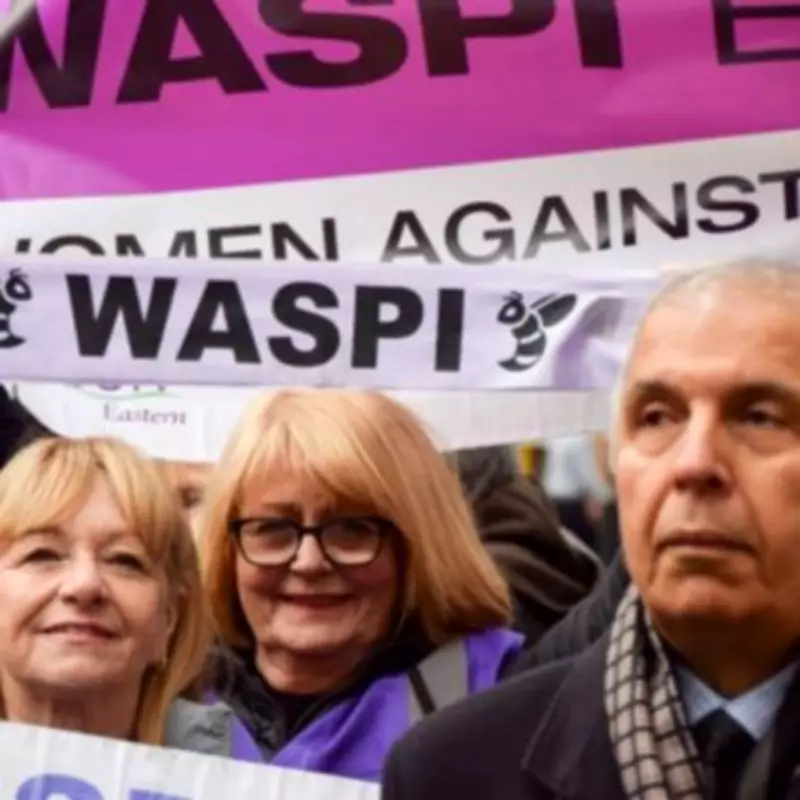
In a significant development for the long-running WASPI campaign, fifty Labour Party Members of Parliament are mounting pressure on the government to reverse its stance on compensation for women born in the 1950s. The MPs have collectively written to the Department for Work and Pensions (DWP), urging a reconsideration of the decision to deny financial redress to those affected by changes to the state pension age.
A Unified Call for Justice
The letter, spearheaded by Labour MP Rebecca Long-Bailey, represents millions of women and expresses profound disappointment at the government's position. Long-Bailey branded the refusal as the "wrong decision," stating in the correspondence: "We collectively represent millions of women born in the 1950s and express our grave disappointment that the Government has once again chosen to reject compensation for the 1950s women affected by state pension age changes. This was the wrong decision, but you have the opportunity to put this right."
Background to the Controversy
This action follows a parliamentary ruling that excluded compensation for women impacted by the state pension age adjustments. The controversy stems from changes that saw the pension age for women rise from 60 to 66, a move that has been criticised for lacking adequate communication and causing financial hardship.
In 2024, an Ombudsman report recommended financial redress on a sliding scale, suggesting payouts of up to £2,950 for some affected individuals. However, the Labour government has maintained a firm stance against administering any such payments.
Government's Defence
DWP boss and Work and Pensions Secretary Pat McFadden defended the government's position, arguing that most women were aware of the changes. He stated: "The evidence shows that the vast majority of 1950s-born women already knew the state pension age was increasing thanks to a wide range of public information, including through leaflets, education campaigns, information in GP surgeries, on TV, radio, cinema and online."
McFadden further contended that a flat-rate compensation scheme "would simply not be right or fair," and that targeting only those who suffered injustice would necessitate a complex verification process for millions of cases.
WASPI Campaign's Response
Angela Madden, chairwoman of the WASPI campaign, has called for a binding parliamentary vote on compensation during government time. She emphasised the need for all elected representatives to have their say on the matter, highlighting the campaign's ongoing fight for justice.
The government's decision was reviewed following the rediscovery of a 2007 DWP evaluation, which previously led to the cessation of automatic pension forecast letters. This historical context adds another layer to the ongoing debate over accountability and fairness.