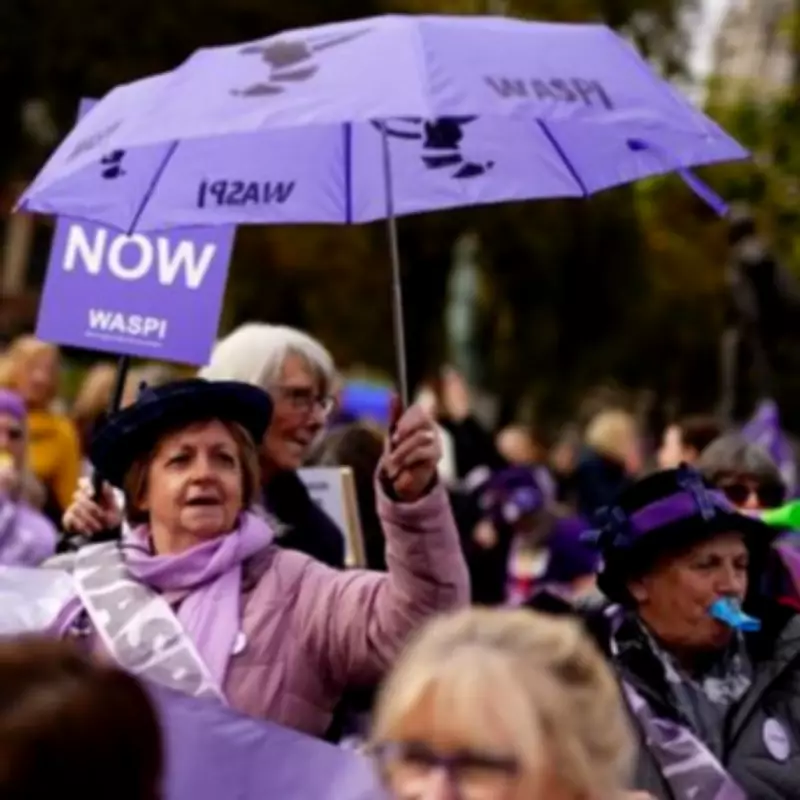
In a dramatic new development, the long-running battle for compensation by WASPI women has taken a final, desperate turn as campaigners launch a last-ditch effort to secure payments from both the Department for Work and Pensions and the Labour government.
Final Push for £2,950 Compensation After Government Refusal
The Women Against State Pension Inequality campaign faces what could be its ultimate showdown, with activists urging Parliament to hold a binding vote on the contentious issue of compensation for historic state pension age changes. This comes just one week after the Labour government delivered a crushing blow by refusing to implement the Parliamentary and Health Service Ombudsman's recommendation of £2,950 payments for affected retirees.
Campaigners Demand Parliamentary Vote on Compensation
Angela Madden, chairwoman of the WASPI campaign, has issued a powerful statement demanding democratic accountability on this crucial matter. "There must be a binding vote on compensation in Government time so all our elected representatives can have their say," she declared, highlighting the campaign's determination to force the issue onto the parliamentary agenda.
A new letter-writing initiative spearheaded by WASPI is now actively encouraging supporters across the country to contact their local Members of Parliament. The campaign aims to pressure the government into allowing a full parliamentary debate and vote, giving every MP the opportunity to express their position on compensating women born in the 1950s who were affected by state pension age equalisation.
Government Defends Position Despite Campaign Pressure
Department for Work and Pensions Secretary Pat McFadden, who recently assumed the role from Liz Kendall, has defended the government's controversial decision. In his statement addressing the compensation refusal, McFadden argued that "the evidence shows that the vast majority of 1950s-born women already knew the state pension age was increasing thanks to a wide range of public information."
The minister cited multiple communication channels through which information was supposedly disseminated, including printed leaflets, educational campaigns, GP surgery notices, television broadcasts, radio announcements, cinema advertisements, and online platforms. McFadden further contended that implementing a blanket compensation scheme "would simply not be right or fair," while creating a targeted system to identify genuinely affected individuals would require verifying "the individual circumstances of millions of women."
Historical Context and Rediscovered Documents
The current controversy has been reignited by the rediscovery of a 2007 Department for Work and Pensions evaluation document. This historical assessment previously led officials to cease sending automatic pension forecast letters to women approaching retirement age. The document's reappearance prompted a review of the government's original decision not to offer any form of redress to affected women.
WASPI campaigners argue that this communication breakdown represents a fundamental failure in the government's duty to properly inform women about significant changes to their expected retirement timelines. The campaign maintains that millions of women received insufficient notice about the state pension age increase from 60 to 66, leaving them with inadequate time to adjust their financial planning and retirement preparations.
As this final compensation bid gains momentum, the political stakes could not be higher for both the Labour government and the determined WASPI campaigners. With parliamentary pressure mounting and public attention refocused on this enduring injustice, the coming weeks may determine whether 1950s-born women finally receive the compensation they have fought for over many years, or whether their campaign reaches its definitive conclusion without the financial redress they believe they are rightfully owed.