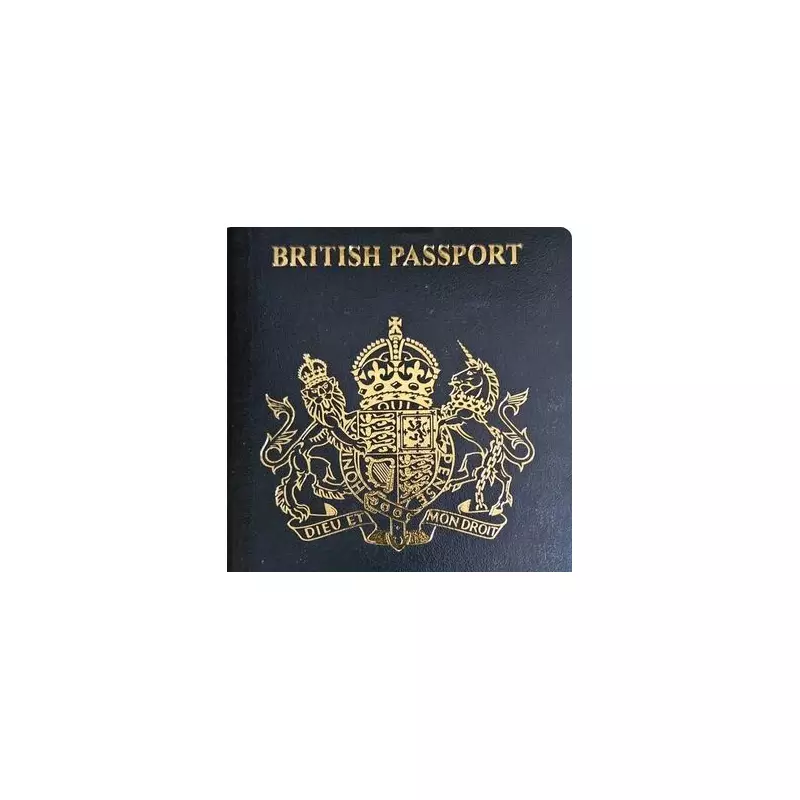
A major redesign of the British passport has come into effect, introducing a new cover, updated interior pages, and a host of advanced security features designed to combat fraud and counterfeiting.
A New Royal Era for British Travel Documents
For the first time, the travel document now bears the coat of arms of King Charles III. The initial batch of 300 passports featuring the new design is now being distributed to applicants. This marks the first comprehensive overhaul of the passport since 2020.
The Home Office has stated that the new document incorporates cutting-edge anti-counterfeiting technology, declaring it the most secure British passport ever produced. Mike Tapp, the Migration and Citizenship Minister, expressed pride in the new design, noting it celebrates national heritage while bolstering border security.
Celebrating UK Heritage Inside and Out
The passport's interior has also received a significant update. It now showcases photographs of four UNESCO-protected natural landmarks, representing each of the UK's constituent nations:
- Ben Nevis (Scotland)
- The Lake District (England)
- Three Cliffs Bay (Wales)
- The Giant's Causeway (Northern Ireland)
This visual tribute aims to highlight the nation's diverse and celebrated landscapes. The security evolution has been continuous since the first modern passport was issued in 1915, with features like watermarks introduced in 1972. Modern documents now include complex patterns and elements only visible under UV light to stay ahead of criminals.
Behind the Scenes: A Digital Transformation
The launch coincides with the completion of a major four-year Home Office project to digitise passport records. Over a billion records, containing names, dates of birth, and facial images, have been migrated to a secure, cloud-based platform.
This new system has already processed more than 350 million queries, with an average response time of just 200 milliseconds. This efficiency has supported the smooth production of approximately 4 million passports so far.
The government reports significant operational and environmental benefits from this digital shift. The move is said to have cut carbon emissions by 88%, equivalent to the annual footprint of driving an average petrol car for 57,000 miles.
Service performance remains strong, with 5.1 million passports issued on time in the first nine months of 2025. For straightforward applications, 99.7% were processed within the standard three-week period.