Lord Anthony Bamford, the billionaire chairman of JCB, has secured planning approval to build a controversial 'landscape observatory' on his Cotswolds estate, overcoming significant local opposition.
Controversial Plans Given Go-Ahead
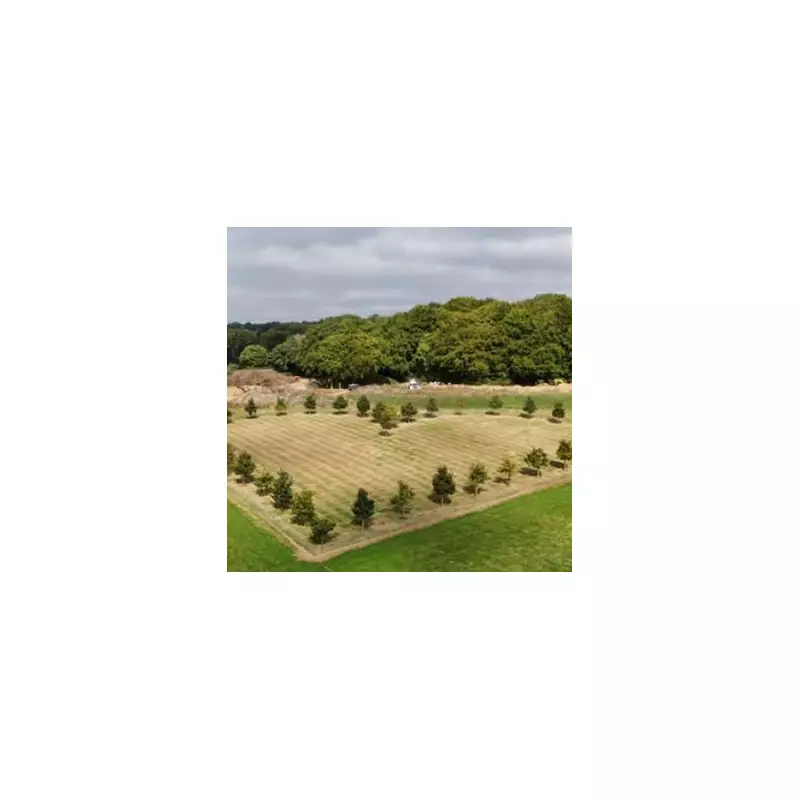
West Oxfordshire District Council has granted permission for the development proposed by the Bamfords' Daylesford Foundation, despite receiving multiple formal objections. The structure, planned for an elevated site within the Bamfords' land in Chipping Norton, Oxfordshire, is designed to function as an education and meeting space.
It aims to showcase regenerative farming and traditional country crafts. The proposed building includes a function room, a projection area, a green pergola terrace, a bar, a kitchenette, and an archive facility.

Strong Opposition from Conservation Board
The primary opposition came from the Cotswolds National Landscape (CNL) Board. Their planning officer, Simon Joyce, formally objected, stating the plans "would not conserve and enhance the landscape and scenic beauty of the National Landscape".
Even after the proposals were revised, the CNL maintained its objection. Key concerns centred on the building's design and its prominent, isolated location within an agricultural setting. The board argued this would cause "significant adverse effects upon landscape character".
A major point of contention was light pollution. The CNL warned the development would introduce a new 'lit' element into the area's characteristically dark skies, which are a identified special quality of the region. They stated it had not been demonstrated that the project would adequately mitigate this impact.
Foundation Defends 'Celebration of the Estate'
In response to the criticisms, representatives for the Daylesford Foundation defended the project. They described the observatory as a "celebration of the estate", highlighting the Bamfords' long-term commitment to the area since 1977 through sustainable farming and support for traditional crafts.
They emphasised the "magnificent view of quintessential Cotswold countryside" from the site and asserted the design would be sympathetic, using local and traditional materials. To address light pollution fears, they suggested most functions would occur in daylight hours and that "sensitive products could be selected" for lighting to prevent pollution.
The final decision by the council marks a significant victory for Lord Bamford, allowing the construction to proceed on his Oxfordshire land. The outcome underscores the ongoing tension between private development ambitions and the preservation of protected landscapes like the Cotswolds.