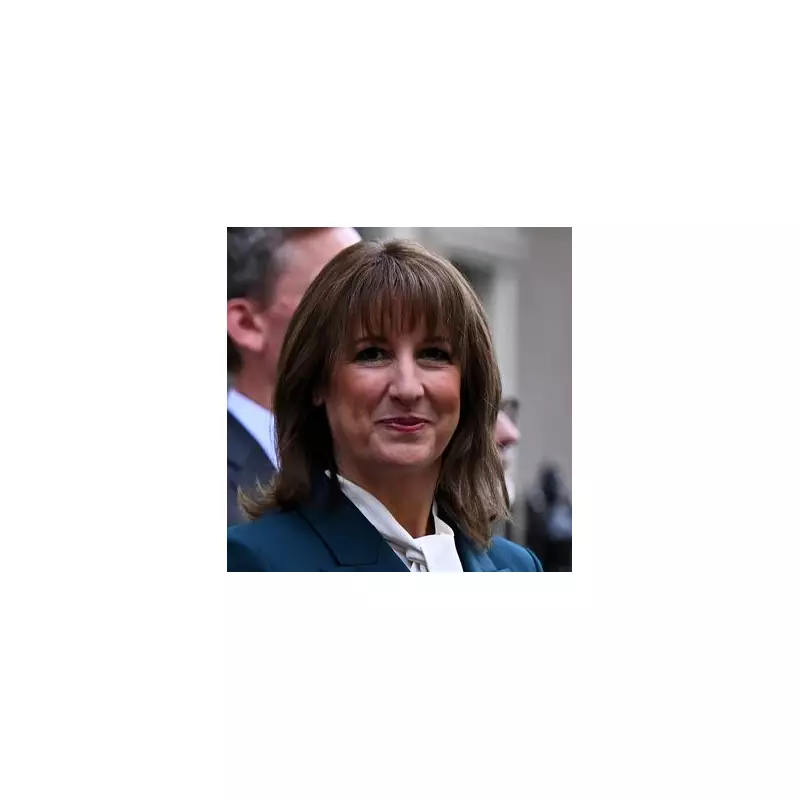
Chancellor Rachel Reeves has moved to end uncertainty for Britain's lowest-income retirees by confirming they will not be forced to pay income tax. The pledge, made directly to money saving expert Martin Lewis, specifically protects those whose sole income is the State Pension.
Ending the Uncertainty for Vulnerable Pensioners
The announcement on 7 December 2025 comes after sustained political and public pressure. A significant risk had emerged that pensioners relying only on the state payout could be dragged into the tax system from 2027. This was a direct consequence of the government's policy of freezing income tax bands, which has not kept pace with yearly increases in the State Pension.
The full State Pension has been steadily rising closer to the personal allowance threshold of £12,570, the point at which income tax becomes payable. Without intervention, the crossing of this threshold was becoming inevitable for many.
A Definitive Pledge in the Face of Fiscal Drag
During a televised interview, Chancellor Reeves provided clear assurance to Martin Lewis and his viewers. She explicitly stated that "in this Parliament, they won't have to pay the tax." This confirmation is designed to ease widespread concerns that the frozen tax system would unfairly penalise the poorest retirees.
However, the protection comes with a key condition: it applies only to individuals for whom the State Pension is their only source of income. Pensioners who have additional income from private pensions, savings, or part-time work may still find themselves liable for income tax as their total earnings exceed the frozen personal allowance.
The Broader Impact of Frozen Tax Bands
While this move safeguards the most financially vulnerable, the broader effect of extended frozen tax bands—a policy confirmed in the recent Budget—remains. This mechanism, known as fiscal drag, will see millions of other working households paying more tax over time as their wages increase but the tax bands stay static.
The Chancellor's confirmation therefore draws a clear line, protecting those solely dependent on the state while the frozen bands continue to generate increased tax revenue from the wider population. The decision successfully addresses a potent political issue while maintaining the government's broader fiscal strategy.