Prime Minister Starmer Unveils Major Energy Bill Support Package
Prime Minister Sir Keir Starmer has announced a comprehensive £53 million cost of living support package specifically targeted at the 1.7 million households across the United Kingdom that rely on heating oil. This significant intervention comes as households face escalating energy costs driven by geopolitical instability in the Middle East, particularly the ongoing conflict involving Iran.
Immediate Financial Relief for Vulnerable Households
The centrepiece of the announcement is the allocation of £53 million in immediate financial assistance for heating oil customers. These households are considered the most exposed to volatile market fluctuations, as heating oil is not protected by the standard energy price cap. The price per litre has surged dramatically in recent weeks, following Brent crude oil prices soaring above $100 per barrel.
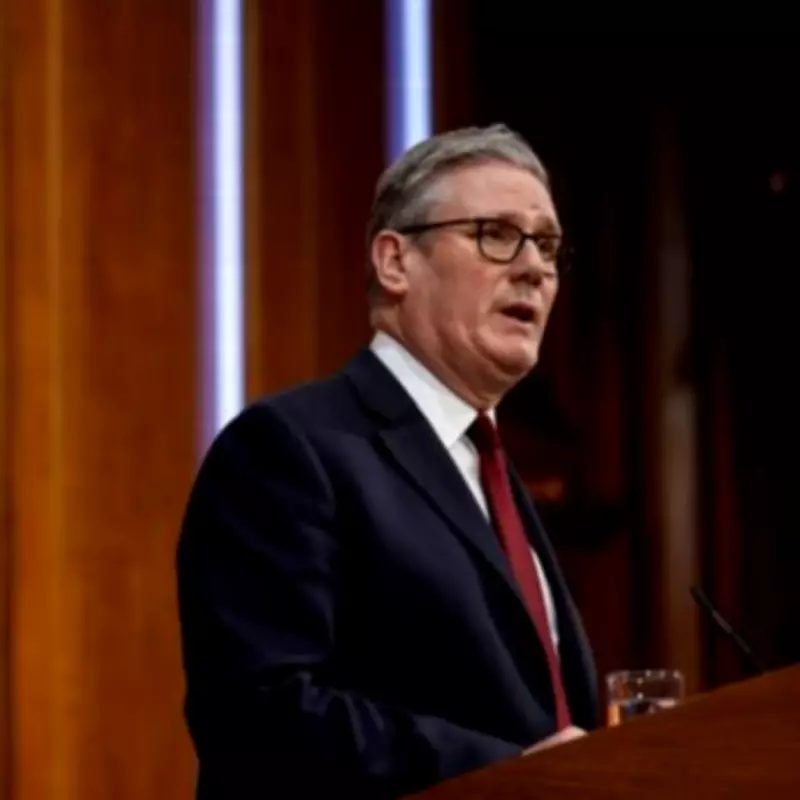
Speaking at a press conference, Prime Minister Starmer expressed deep personal understanding of the financial strain. "I grew up working class in the 1970s. I remember how it feels when you’re struggling to make ends meet," he stated. "It’s a knot in your stomach every time the bills come through the door, and that’s at the forefront of my mind in meeting this crisis."
Energy Bill Cap and Fuel Duty Extension
In addition to the direct funding, the government has confirmed two further key measures to alleviate pressure on household finances.
- Energy Bill Cap: The energy price cap administered by Ofgem will be maintained until the end of June. This policy is projected to save the average household approximately £117 per year on their energy bills.
- Fuel Duty Cut: The existing reduction in fuel duty will be extended until September, providing continued relief for motorists and businesses reliant on road transport.
Starmer emphasised that the government has been clear with energy companies, stating they "should not profit from price rises caused by the war."
Long-Term Strategy: Energy Independence and De-escalation
Beyond immediate financial support, the Prime Minister outlined a strategic vision focused on long-term stability.
UK Energy Independence: Starmer reaffirmed the government's commitment to the UK's energy security independence scheme. The goal is to insulate the nation from future price shocks caused by international geopolitical events. "We want to make sure that involves as many partners as possible," he said, referencing discussions with European, Gulf, and US partners to develop a credible plan.
Diplomatic Efforts: A core pillar of the government's approach is working with international allies to de-escalate tensions in the Middle East, specifically aiming to reopen the vital Strait of Hormuz shipping route. Starmer articulated a three-pronged stance: protecting people in the region, avoiding being drawn into a wider war, and working towards a swift resolution that restores security.
"The best way through this is to de-escalate and reduce the conflict, because that is the simple, most effective way to deal with the cost of living," Starmer asserted. "And that’s where we’re putting all of our focus."
The Prime Minister concluded by acknowledging the uncertainty of the coming months but pledged that the government would "always do whatever we can in relation to cost of living for working people," as it navigates the dual challenges of international conflict and domestic economic pressure.