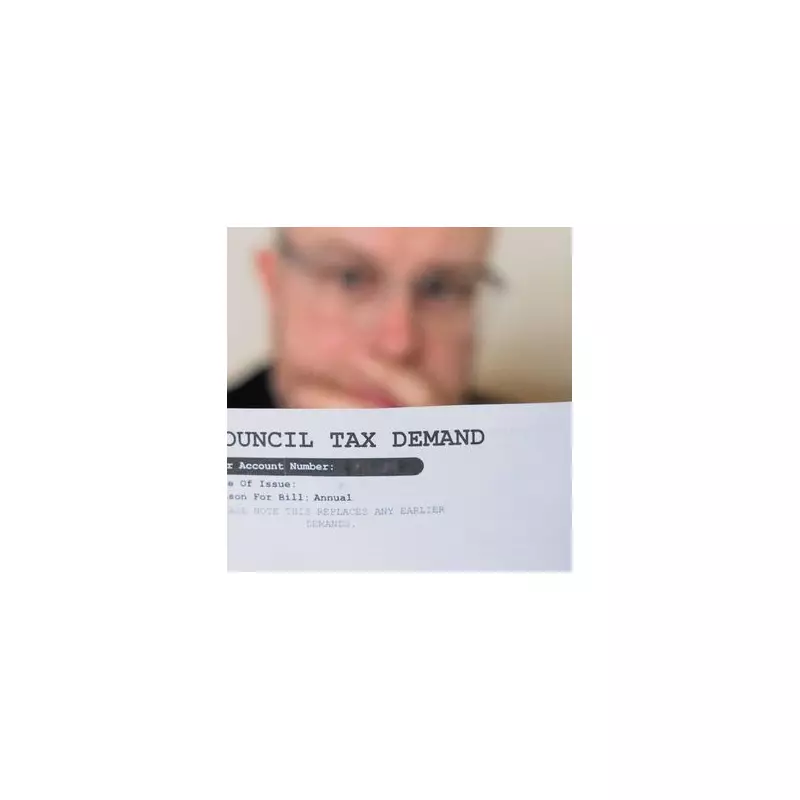
A disabled resident from Somerset has been granted permission to bring a landmark High Court challenge against his local authority's council tax reduction scheme, following a controversial benefit rule change that has left him facing an annual bill exceeding £1,100.
Legal Battle Over Universal Credit Transition
Andy Mitchell, a Taunton resident living with multiple health conditions, is taking Somerset Council to the High Court over what his legal team describes as a discriminatory council tax policy. The court has ruled that all grounds of his judicial review challenge are legally arguable, setting the stage for a significant legal examination of local authority benefit policies.
From Zero to £1,100: The Financial Impact
The central issue revolves around a dramatic reduction in council tax relief following Mr Mitchell's migration from legacy benefits to Universal Credit. Despite his income and essential needs remaining unchanged, his annual council tax liability has soared from being completely written off to over £1,100 – a financial burden his legal representatives argue is both unfair and discriminatory.
Allegations of Systemic Discrimination
Legal counsel for Mr Mitchell contends that the council's reduction scheme is fundamentally discriminatory because it treats disability-related elements of Universal Credit as "spare income" rather than essential support. This structural approach, they argue, systematically forces disabled claimants to pay substantially more than non-disabled residents in similar financial circumstances.
The challenge further alleges that Somerset Council breached its Public Sector Equality Duty by failing to properly consider the impact of its policy on protected groups. The claimant suggests the council did not adequately evaluate the severe financial hardship its scheme design would inevitably cause to vulnerable residents.
Inconsistent Benefit Treatment
Mr Mitchell's legal team asserts the policy demonstrates irrationality by disregarding legacy benefit income while counting equivalent Universal Credit elements toward council tax calculations. This inconsistency means an individual's entitlement to support changes radically based solely on the type of benefit they receive, creating what lawyers describe as an arbitrary and unfair system.
Broader Concerns About Support Systems
The case highlights wider concerns regarding the council's reliance on discretionary "hardship payments" to address systemic gaps in the main support scheme. This approach has been criticised for creating unnecessary bureaucratic barriers and additional distress for society's most vulnerable residents, who must navigate complex application processes during times of financial crisis.
As the judicial review proceeds, this case is expected to set important precedents regarding how local authorities design and implement council tax reduction schemes for disabled residents transitioning between benefit systems. The outcome could influence policies across multiple councils facing similar challenges in balancing budgets while protecting vulnerable residents from financial hardship.