Pensions Expert Reaffirms Stance on WASPI Compensation Amid Government Stalemate
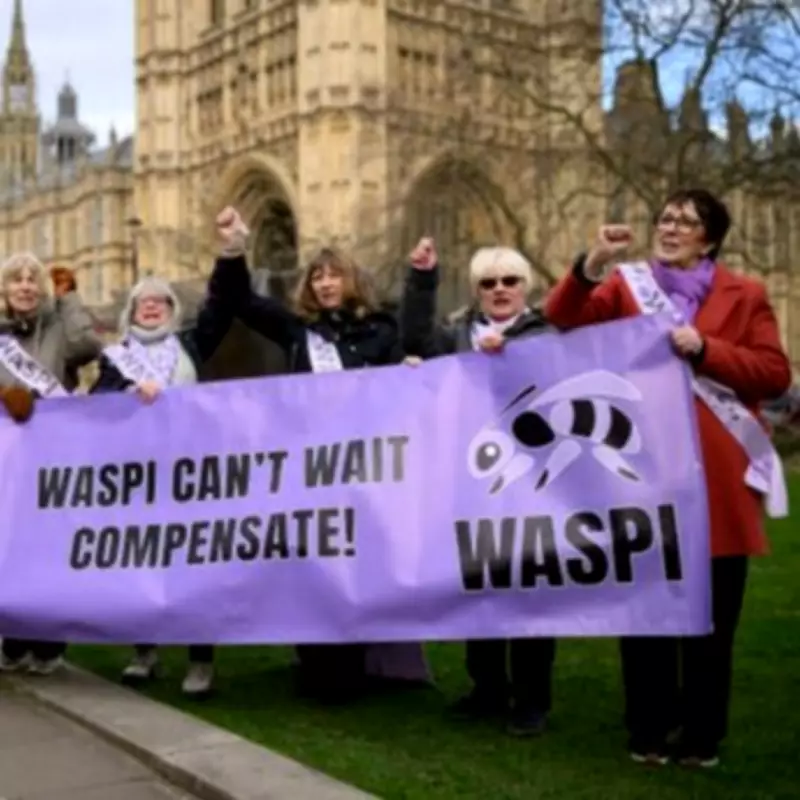
A leading pensions expert has issued a firm update on the long-standing Department for Work and Pensions (DWP) and WASPI scandal, asserting that affected women deserve compensation despite the Labour Party government's unwavering refusal to administer payouts. This development comes two years after the Parliamentary and Health Service Ombudsman's critical report, which highlighted systemic failures and recommended financial redress.
Expert Calls for Fair Compensation Despite Quantification Challenges
Hannah Martin, a respected pensions expert and founder of The Rich Retiree, emphasized the moral imperative for compensation, stating: "I believe that compensation should be paid, but how much is 'deserved' or needed is harder to quantify. There will be women who have suffered far greater financial losses than others. I understand some have even lost their homes." Her comments underscore the severe and varied impacts on women born in the 1950s, who faced unexpected changes to their state pension age without adequate notice.
Ombudsman's Recommendations and Government Response
In March 2024, the Parliamentary and Health Service Ombudsman concluded its investigation, attributing the issue to maladministration by the DWP and recommending compensation payouts ranging from £1,000 to £2,950 per affected individual. However, the Labour government, led by Prime Minister Sir Keir Starmer, has maintained a staunch stance against these payouts. In December, Starmer argued that 90% of women were aware of the changes and that the country could not afford the suggested compensation, estimated to total billions.
WASPI Campaigners Highlight Government Priorities and Financial Disparities
Angela Madden, chairman of the WASPI campaign, criticized the government's priorities, pointing out recent budgetary decisions. She said: "We recognise there will always be limits on the funds provided by us, the taxpayers, but politics is about making choices. In recent weeks, the Government has supposedly found £2bn for an ID scheme that was not in their manifesto. What does it say to Waspi women if ministers wilfully choose to ignore the independent ombudsman?"
Madden further highlighted the financial context, noting: "The Government has saved more than £180bn by raising women’s state pension age. The compensation recommended by the ombudsman makes up a tiny fraction of that - and we expect ministers to act on their report in full." This statement draws attention to the vast savings accrued from the pension age changes, contrasting sharply with the modest compensation proposed.
Ongoing Debate and Future Implications
The debate over WASPI compensation continues to resonate, with experts like Hannah Martin advocating for justice while the government cites fiscal constraints. The Ombudsman's findings of maladministration add weight to calls for accountability, but political will remains a significant barrier. As the stalemate persists, affected women and campaigners urge a reevaluation of government spending priorities to address what they see as a clear injustice.
This issue not only affects thousands of women directly but also raises broader questions about pension policy, government transparency, and the treatment of vulnerable groups in society. The outcome could set a precedent for how similar administrative failures are handled in the future, making it a critical topic for ongoing public and political discourse.