3.2 million taxpayers are set to become higher-rate taxpayers by 2027, according to HMRC figures, under the leadership of Labour Prime Minister Andy Burnham. The warning comes as Burnham has acknowledged that raising the income tax personal allowance is not a priority due to the significant cost involved.
Frozen Thresholds Drive Fiscal Drag
The number of higher-rate taxpayers has surged from approximately 4.43 million in 2021/22 to a projected 7.7 million in 2026/27, marking an increase of 3.27 million people—a 74% rise in just five years. Marianna Hunt, Personal Finance Expert at Fidelity International, described the trend as dramatic.
“These figures show just how dramatically the tax landscape has changed in recent years,” Hunt said. “The number paying the additional rate is also projected to more than double over four years. It's striking that the four biggest annual increases in higher-rate taxpayers since HMRC’s records began have all occurred since 2021.”

Hunt explained that while income and population growth have contributed to the rising numbers, frozen tax thresholds have played a significant role through a phenomenon known as fiscal drag, gradually pulling more workers into higher tax bands.
“For many people, this hasn't happened because they've suddenly become wealthy,” she added.
Burnham Acknowledges Doorstep Concerns
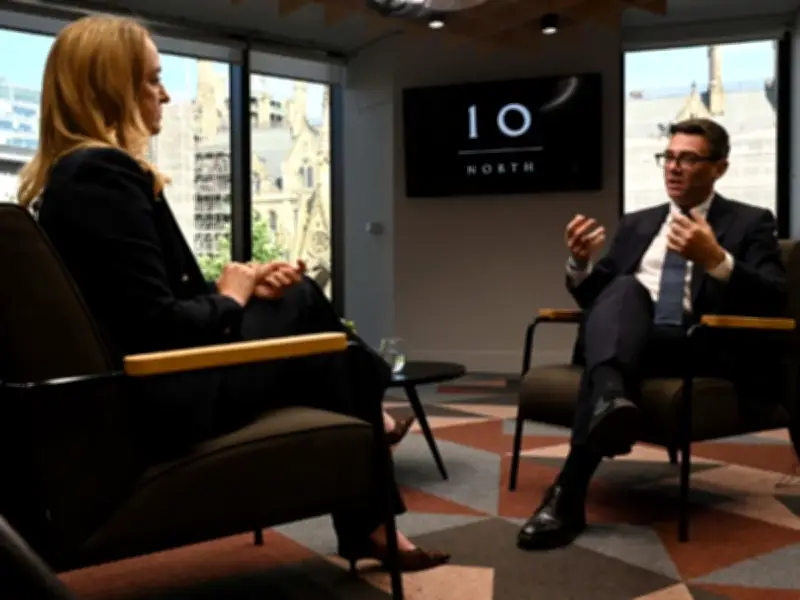
In an interview with The Times, Burnham noted that the frozen personal allowance was “the thing I heard the most on the doorsteps” in Makerfield, adding that it had become “lodged in my mind.” The personal allowance—the amount people can earn before paying income tax—has remained frozen at £12,570 since April 2021.
Burnham has stepped back from suggesting that raising the personal allowance is a priority after acknowledging the cost of such a move. The frozen thresholds are set to remain in place for the foreseeable future, continuing to push more workers into higher tax brackets.
Expert Advice for Higher-Rate Taxpayers
Marianna Hunt emphasized that higher-rate taxpayers are no longer a small group of top earners. “Because of frozen tax thresholds, millions of workers bringing home what probably feels like a relatively normal income are now paying rates of tax that would once have been reserved for much higher earners,” she said.
Hunt offered practical advice for those affected. “The good news is that there are still legitimate ways to reduce your tax bill. Pension contributions can be particularly valuable because they not only help build your retirement savings but can also reduce your taxable income. If you've only recently become a higher-rate taxpayer, increasing your pension contributions could bring some of your income back below the higher-rate threshold. Making full use of your ISA allowance can also help shield future investment growth and income from tax.”
Hunt concluded: “As more people are drawn into higher tax brackets, it's becoming increasingly important to review your finances regularly rather than assuming tax planning is only something that matters to the very highest earners.”