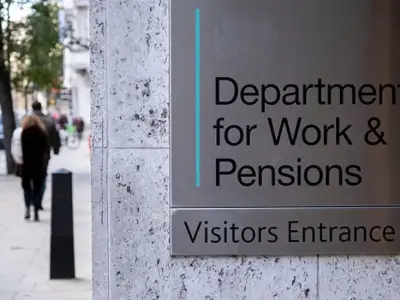
A Department for Work and Pensions (DWP) benefits cheat has been spared jail despite lying for years to pocket nearly £40,000 from the welfare system. Eleanor Chadder, a youth worker from Cornwall, dishonestly failed to notify the DWP that she was living together as a married couple while claiming Employment Support Allowance (ESA). The court heard she claimed £38,300 from August 2015 until May 2021.
The Fraud and Sentence
Chadder's deception spanned six years, during which she siphoned off public funds intended for those unable to work due to illness or disability. At Truro Crown Court, Recorder Richard Paige sentenced her to four months in prison, suspended for 18 months, describing the offence as "sustained dishonesty over six years." The judge noted the deliberate and ongoing nature of the fraud, which involved failing to report a change in her living circumstances.
Despite the five-figure sum scammed from the welfare department, Chadder will repay only £100 per month as part of a clawback exercise. This means it will take over 30 years to recover the full amount, assuming no interest or additional penalties.

Court Proceedings
Chadder's defence barrister, Ramsay Quaife, told the court that her conviction had brought "shame and embarrassment." He argued that she had already suffered significant reputational damage and that a custodial sentence would be disproportionate given her role as a youth worker and her previous good character. The court also heard that Chadder had no prior convictions and had shown remorse.
Recorder Paige balanced the seriousness of the offence with mitigating factors, ultimately deciding to suspend the prison term. Chadder must also comply with a 12-month supervision order and complete 150 hours of unpaid work.
Official Reactions
Labour Party Minister for Transformation Andrew Western previously issued a stark warning to benefits claimants. "The message is clear: don't think you can steal from hardworking taxpayers," he said. "Whatever your reasons for committing benefit fraud, know that our investigators are wise to every trick in the book and we will find you." He also called on members of the public to report suspected abuse, adding: "And if you know somebody is fleecing the system, report it."
A DWP spokesman reiterated the department's commitment to tackling fraud. "We're determined to crack down on fraud," the spokesman said. "Our latest figures show us fraud and error has fallen by a quarter since its 2022 peak. We will leave no stone unturned."
Sir Iain Duncan-Smith, the former Work and Pensions Secretary, also weighed in, urging the department to take a tougher stance. "They should be keeping up with individual prosecutions to send a message to the public that fraudsters will be caught," he said. His comments reflect ongoing political debate about the effectiveness of benefit fraud enforcement.
Impact and Wider Context
The case highlights the challenges faced by the DWP in detecting and prosecuting benefit fraud, which costs taxpayers billions annually. While the government has introduced measures such as enhanced data sharing and a new fraud taskforce, critics argue that sentences remain too lenient. Chadder's suspended sentence and minimal repayment plan have drawn criticism from those who believe harsher penalties are needed to deter others.
For now, Chadder remains free, but the suspended sentence means she could face imprisonment if she reoffends or breaches court orders within the next 18 months. The DWP will continue its efforts to recover the stolen money, though at the current rate of repayment, full restitution is decades away.