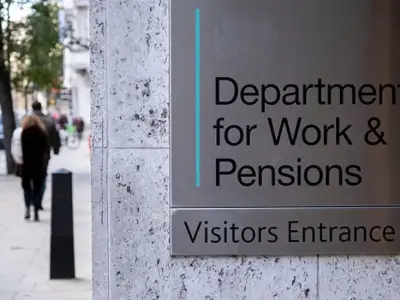
The Department for Work and Pensions (DWP) is implementing a significant rule change for Universal Credit, Personal Independence Payment (PIP), and New Style Employment and Support Allowance (ESA) starting tomorrow, 30 April 2026.
Right to Try Regulations
The new Right to Try regulations strengthen existing protections so that undertaking work or volunteering will not, on its own, lead to a reassessment of a benefit award. This applies to individuals receiving PIP, Universal Credit with Limited Capability for Work (LCW) or Limited Capability for Work-Related Activity (LCWRA), and New Style ESA in the Work-Related Activity Group or Support Group. It also covers those receiving both Universal Credit and New Style ESA with a single LCW or LCWRA assessment outcome.
DWP Statement
The DWP stated: "Right to Try makes it clear that undertaking work or volunteering will not automatically lead to a reassessment. It supports people to test their ability to work in a safe and predictable way. It strengthens existing protections for people with disabilities and long-term health conditions." However, information about work may still be considered in future assessments if relevant to functional ability.

Minister's Comments
Sir Stephen Timms, DWP minister, said: "We are determined that disabled people should have the confidence to try work. Our ‘right to try’ legislation will come into force on Thursday. People claiming can take steps towards employment and be confident that doing so will not automatically trigger benefit reassessment." He added that there is an urgent need to address the rise in young people not in work, education, or training, and that better support might help more than extra cash. A review by Alan Milburn on the NEET problem is expected in September, after which the government may decide whether to delay access to the Universal Credit health element until age 22, with exceptions.