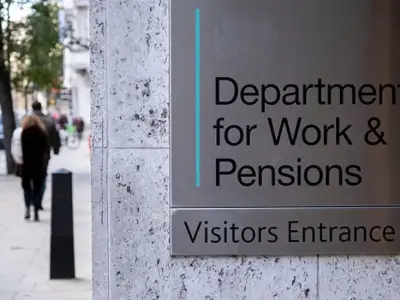
Major new powers allowing the Department for Work and Pensions (DWP) to scrutinise the bank accounts of benefit claimants have now come into force.
The measures, introduced under the Public Authorities Fraud, Error and Recovery Act 2025, grant officials the authority to verify a person's eligibility for state support through their financial data. The government estimates the crackdown could save taxpayers £500 million annually by identifying overpayments due to undeclared capital or periods spent abroad.
Which Benefits Are Targeted?
The DWP will initially focus its new verification powers on three key benefits where fraud and error rates are highest: Universal Credit, Pension Credit, and Employment and Support Allowance (ESA).

It is important to note that income-related ESA is being phased out and will end by April 2026. New Style ESA will continue for now, but it and New Style Jobseeker's Allowance are both scheduled to be replaced by a new Unemployment Insurance system in 2028/2029.
The State Pension is explicitly excluded from these checks and cannot be added in the future. However, the government has indicated the scheme may be expanded to include other benefits at a later date.
How Will the New System Work?
The DWP will issue Eligibility Verification Notices to banks and building societies. These notices require financial institutions to check their customer data against specific DWP criteria, such as capital limits, and flag any accounts that show signs of potential ineligibility.
Banks will only share limited information, including an account holder's name and how they meet (or fail to meet) the eligibility rules. They are strictly prohibited from sharing detailed transaction histories or sensitive data about what claimants spend their money on.
Robust safeguards are built into the process. No automated decision to stop or reduce a claim will be made based solely on the bank's data. A human DWP official must always review the information and conduct further inquiries before any changes to a person's benefits are implemented.
Oversight and Implementation
An independent body or person will be appointed to oversee the use of these powers and report annually to Parliament. Furthermore, a formal Code of Practice must be established and consulted upon before the first verification notice is ever issued.
The DWP has stated it will take a 'test and learn' approach, rolling out the system gradually to ensure its processes are robust. Financial institutions that fail to comply with the notices or that overshare protected personal data could face penalties.
The legislation and its amendments were confirmed to be in force on or before 19 January 2026.