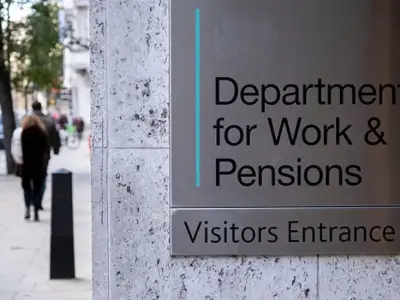
The UK government has announced sweeping new plans that will prevent migrants from accessing Department for Work and Pensions (DWP) benefits until they become British citizens.
Decades of Waiting Proposed
Under the proposed shake-up, migrants arriving by small boat could wait up to 30 years before being granted permanent residency and access to the benefits system. The policy represents a fundamental restructuring of the UK's approach to immigration and welfare.
Addressing the Commons, Labour Party MP Shabana Mahmood stated the plans were a direct response to what she described as an unprecedented scale of arrivals in recent years. "To settle in this country for ever is not a right, but a privilege. And it must be earned," the home secretary said. "I am replacing a broken immigration system with one that prioritises contribution, integration and respect for the British sense of fair play."

Charities and Unions Voice Strong Opposition
The announcement has been met with significant criticism from leading charities and trade unions. Enver Solomon, chief executive of the Refugee Council, issued a stark warning about the human impact. "These proposals would risk trapping people who have fled war and persecution in three decades of instability and stress," he said. "Long waits for settlement and repeated reviews will only add very expensive bureaucracy and keep people in limbo."
Christina McAnea, general secretary of Unison, the UK's biggest union, highlighted the effect on essential public sector workers. She stated the proposals would be "devastating to thousands of essential workers" who kept services running, including during the Covid pandemic. "Judging someone’s worth by the size of their wage slip sends a dreadful message," McAnea added, noting that many staff could face a 15-year wait for certainty about their futures.
Unanswered Questions and Social Impact
Experts have raised concerns about unintended consequences. Madeleine Sumption, director of the Migration Observatory at the University of Oxford, pointed out that important questions about the status of children of temporary workers remain "unclear." She warned, "As written, the policy implies a much larger number of 'mixed status' families where some people have permanent residence rights and others do not."
Dora-Olivia Vicol, chief executive of the Work Rights Centre, labelled plans to raise the threshold for migrants on benefits as "particularly dystopian." She argued that "the home secretary is punishing migrant families for getting sick or becoming vulnerable."
Josephine Whitaker-Yilmaz of migrant charity Praxis concluded that the "earned-settlement changes will devastate the lives of people across the UK" and are at odds with the country's economic needs, calling it a "retreat into a smaller, meaner England."