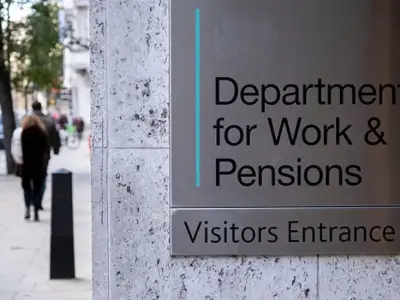
The Department for Work and Pensions (DWP) has confirmed a significant overhaul of the Universal Credit system, with the first major changes set to take effect from April 2026. The reforms, legislated under the Universal Credit Act 2025, aim to 'rebalance' payments, resulting in a mixed financial picture for millions of claimants across the United Kingdom.
Core Changes to Payments and Allowances
From the start of the new tax year in April 2026, the Universal Credit standard allowance will increase by 6%, rising from £92 to £98 per week. This forms part of a longer-term plan to increase the basic allowance above the rate of inflation over four financial years. By the 2029/30 tax year, the standard allowance is projected to be 4.8% higher than if it had only risen with Consumer Prices Index (CPI) inflation.
However, a major shift will affect new claimants found to have Limited Capability for Work and Work-Related Activity (LCWRA). Instead of receiving the full additional £94 per week, they will get £50 per week. This change applies only to new claims from April 2026; existing claimants will see their current rates protected.

Support for Families and Childcare
In a move welcomed by family support groups, the controversial two-child limit will be scrapped. This means families with three or more children will receive an extra child element payment for each additional child. Furthermore, the maximum amount available for Universal Credit childcare costs will see a substantial boost, increasing by £736.06 for each child above the previous two-child cap.
These changes are part of a wider benefits uprating. Social security benefits across the UK will increase by 3.8%, while both the New and Basic State Pensions will see a larger rise of 4.8%.
Broader Economic Context and Wage Increases
The DWP's announcement coincides with confirmed increases to the National Living Wage and National Minimum Wage, which also take effect in April 2026. The National Living Wage for those aged 21 and over will rise by 4.1%, from £12.21 to £12.71 per hour.
Younger workers will see even larger percentage increases:
- 18 to 20-year-olds: An 8.5% increase, from £10.00 to £10.85 per hour.
- 16 to 17-year-olds and apprentices: A 6% increase, from £7.55 to £8.00 per hour.
Separately, the government has announced that extra taxes will be applied to cars leased through the Motability Scheme, alongside restrictions on certain car brands.
The coming changes represent the most substantial restructuring of Universal Credit in years. While the removal of the two-child limit and higher standard allowance will provide a welcome boost to many household budgets, the reduced support for new claimants with health conditions marks a decisive policy shift. All claimants are advised to review their circumstances ahead of the April 2026 implementation date.