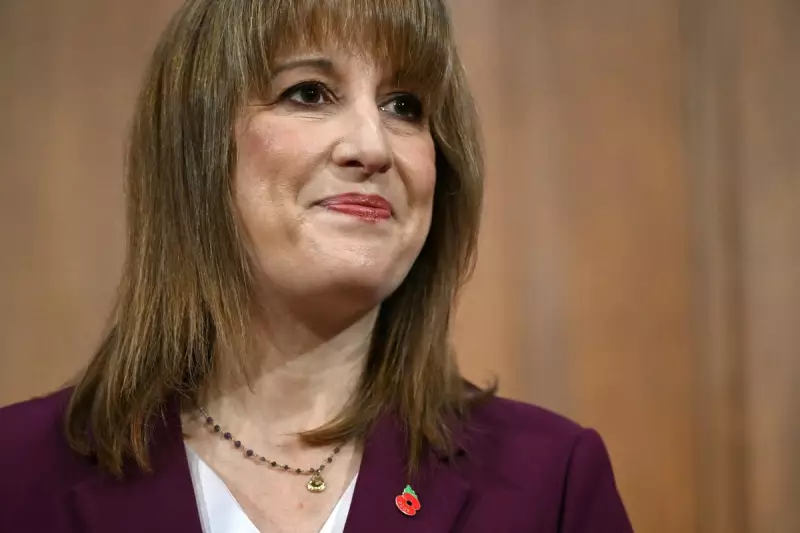
Chancellor Rachel Reeves has indicated the controversial two-child benefit cap could be abolished in the upcoming 2025 Budget, potentially delivering significant financial support to larger families across the UK.
What is the two-child benefit cap?
Introduced by the Conservative government in 2017, the policy currently restricts child tax credit and Universal Credit payments to only the first two children in most households. This means families with three or more children don't receive additional state support for their third or subsequent children through these benefits.
Speaking to BBC 5Live, Chancellor Reeves argued that children should not be penalised for being part of larger families, highlighting how circumstances like illness, bereavement, or adoption can leave parents struggling financially.

Impact on child poverty and household finances
According to the Child Poverty Action Group, the current cap is estimated to push 109 children into poverty across the UK every day. Removing this restriction could provide meaningful financial relief for families already juggling household costs, childcare, and everyday essentials.
For affected parents, the implications are straightforward: more children would mean higher support from the state. Families who previously saw their third or fourth child excluded from Universal Credit or tax credit calculations may see their monthly payments increase, helping cover essential costs like:
- Food and household bills
- Childcare expenses
- Clothing and school costs
This additional support could also reduce reliance on emergency support or short-term borrowing, giving households more financial stability and breathing space.
Political backing and funding considerations
The potential change has gained significant backing within the Labour Party, including from former Prime Minister Gordon Brown, who told Sky News he was confident the rule will be addressed in the November 26 Budget.
However, the government would need to find funding for this policy shift. Possible funding sources could include:
- Increasing income tax for top earners
- Raising National Insurance contributions
- Other government budget adjustments
Reeves has acknowledged the broader economic balancing act facing her at this month's Budget, emphasising the need to manage costs carefully while ensuring child poverty is effectively addressed.
The removal of the two-child benefit cap would represent a major shift in UK welfare policy, potentially reshaping how families plan their finances and access state support while signalling a renewed focus on protecting children from poverty.