The Department for Work and Pensions (DWP) has confirmed that the State Pension age will increase to 68 for anyone born after 5 April 1977, with the change phased in between 2044 and 2046. This adjustment reflects longer life expectancy and extended working lives.
Current Pension Ages
Individuals born between 6 October 1954 and 5 April 1960 can access their State Pension at age 66. For those born on or after 6 April 1960, the pension age gradually rises to 67. The government reviews the State Pension age at least every five years.
Deferring Your Pension
You are not required to take your State Pension immediately upon reaching the eligible age. Deferring can increase your payments, and you may continue working past State Pension age while still receiving it.

National Insurance Contributions
According to The People's Pension, the amount you receive depends on your National Insurance (NI) contribution record. For the 2026/27 tax year, the full new State Pension is £241.30 per week (£12,548 annually). To qualify for the full amount, you need at least 35 qualifying years of NI contributions.
For those receiving the basic State Pension, the full amount for 2026/27 is £184.90 per week (£9,615 per year), requiring at least 30 qualifying years.
Triple Lock System
Introduced by the government in 2010, the triple lock ensures the State Pension increases by the highest of average earnings growth, inflation, or 2.5%.
Gaps in NI Record
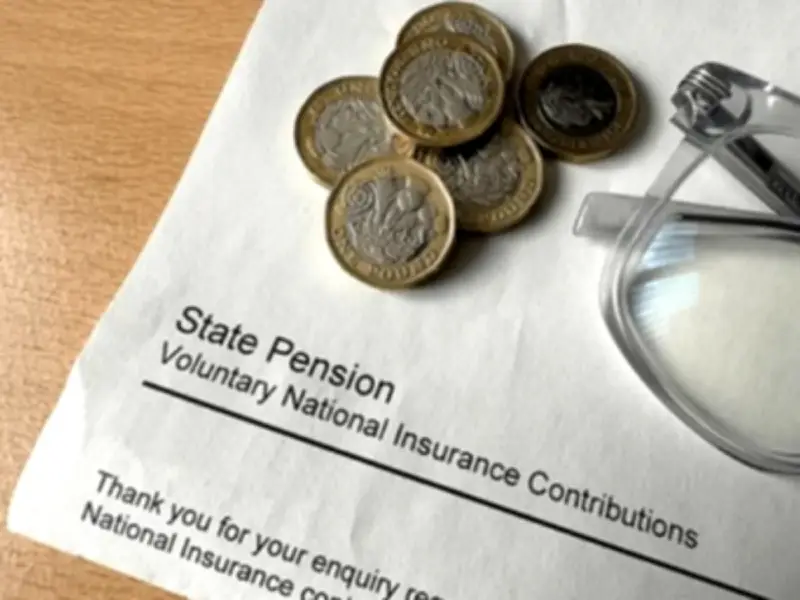
Some people have gaps in their NI record due to caring responsibilities or working abroad. Voluntary contributions can fill these gaps and boost pension entitlement. The People's Pension advises checking GOV.UK for details on voluntary NI contributions.
If you were contracted out of the Additional State Pension (State Second Pension or SERPs) before April 2016, you may need more than 35 qualifying years to receive the full new State Pension, as your NI contributions were either lower or redirected to a workplace or private pension.