The middle of July has always been a lively period in British history, from royal weddings to explosive rock debuts and landmark social reforms. Here is a look at the key events that occurred between July 12 and 14 across the centuries.
Landmark Legislation and Royal Unions
On July 14, 1967, the Abortion Act was officially passed in Britain, a landmark moment for women's healthcare and social reform. The act, spearheaded by Liberal MP David Steel, legalised abortion in certain circumstances and transformed reproductive rights across the country. Meanwhile, on July 12, 1543, King Henry VIII married his sixth and final wife, Catherine Parr, at Hampton Court Palace. Catherine, a widow who outlived the volatile monarch, played a key role in reconciling Henry with his daughters Mary and Elizabeth.
Dynamite's British Debut
While dynamite is often associated with the American Wild West or Swedish inventor Alfred Nobel, the world's first public demonstration of dynamite took place in an unsuspecting British setting. On July 14, 1867, Nobel brought his newly invented, highly volatile creation to a quarry in Redhill, Surrey. In front of a crowd of amazed and likely terrified spectators, he blew up blocks of rock to prove how effective—and safe, when handled correctly—his invention was. This demonstration marked a turning point in mining and construction industries worldwide.

Music and Pop Culture Milestones
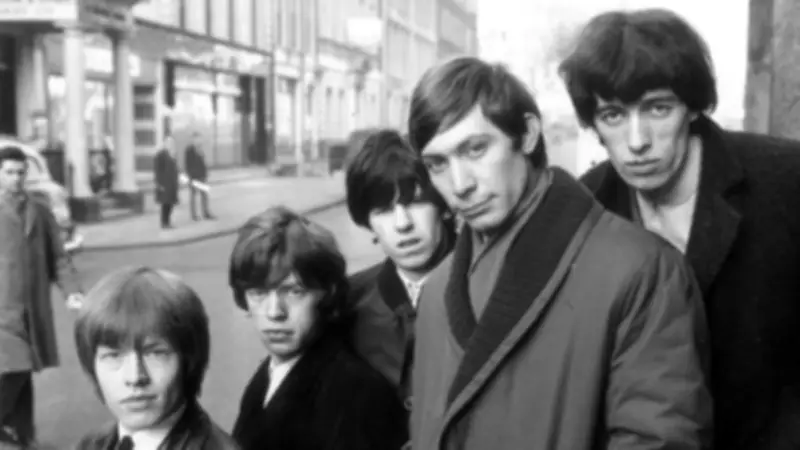
The 1960s changed the face of British music during this exact week. On July 12, 1962, a young rhythm-and-blues-obsessed group billed as the 'Rollin' Stones' played their first-ever live concert at the Marquee Club on London's Oxford Street. Mick Jagger, Keith Richards, and Brian Jones were paid just a handful of pounds for the gig, laying the foundation for one of the most iconic rock bands in history.
In other musical highlights, on July 14, 1955, Alma Cogan sat at Number 1 on the UK singles chart with her jaunty rendition of 'Dreamboat'. On July 14, 2000, sibling pop-rock group The Corrs reached the top spot with their infectious hit 'Breathless'. And on July 14, 2006, Lily Allen burst onto the scene, securing the UK Number 1 spot with her iconic debut single 'Smile'.
What Britain Was Watching
In July 1989, British households were glued to their televisions watching the final series of Whicker's World. The legendary broadcaster Alan Whicker treated viewers to his signature witty insights into the lives of the ultra-wealthy and eccentric abroad. At the cinema, audiences flocked to see the newly released Indiana Jones and the Last Crusade, enjoying Sean Connery and Harrison Ford's brilliant father-son chemistry on the big screen.
Famous Birthdays
Several notable figures were born during this mid-July period. Emmeline Pankhurst, born July 14, 1858, was the iconic political activist who led the British suffragette movement and helped women win the right to vote. Terry-Thomas, born July 14, 1911, was the beloved gap-toothed English comedian known for playing the quintessential upper-class rogue. Ian Curtis, born July 15, 1956, was the talented frontman and lyricist of the influential post-punk band Joy Division. Gareth Edwards, born July 12, 1947, is the legendary rugby player widely regarded as one of the greatest scrum-halves in Welsh and British rugby history.
Historic Bureaucratic Stubbornness
In a classic case of historic bureaucratic stubbornness, it became known on July 14, 1903, that the British Government officially rejected proposals to introduce compulsory driving tests, vehicle inspections, and penalties for drunken drivers. Politicians of the day felt such rules were an unnecessary restriction on personal freedom. A formal driving test was not introduced until 1935, and it took even longer for drink-driving laws to be enforced.